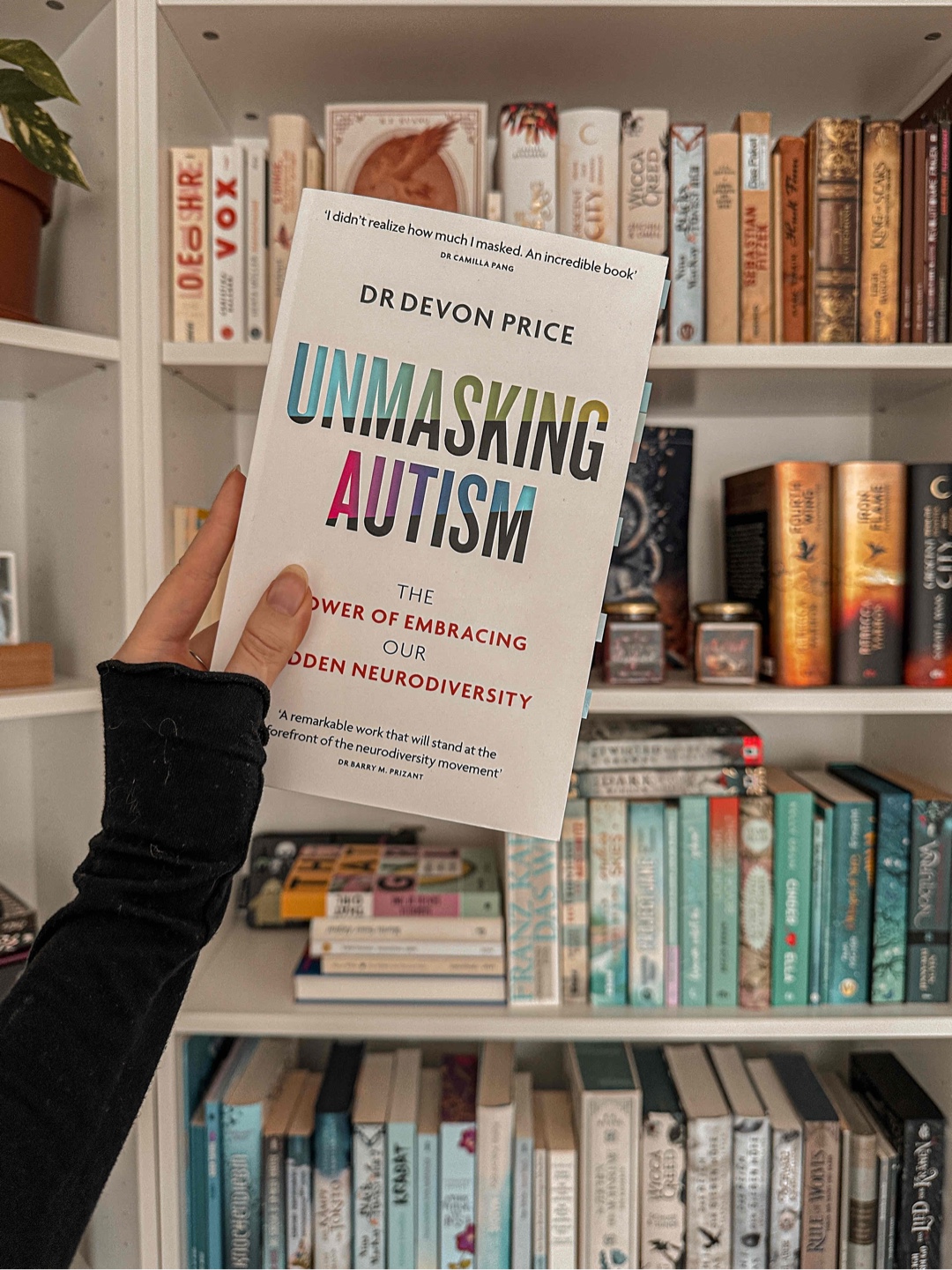
Unmasking Autism
Buy Now
By using these links, you support READO. We receive an affiliate commission without any additional costs to you.
Description
“A remarkable work that will stand at the forefront of the neurodiversity movement.”—Barry M. Prizant, PhD, CCC-SLP, author of Uniquely Human: A Different Way of Seeing Autism
For every visibly Autistic person you meet, there are countless “masked” Autistic people who pass as neurotypical. Masking is a common coping mechanism in which Autistic people hide their identifiably Autistic traits in order to fit in with societal norms, adopting a superficial personality at the expense of their mental health. This can include suppressing harmless stims, papering over communication challenges by presenting as unassuming and mild-mannered, and forcing themselves into situations that cause severe anxiety, all so they aren’t seen as needy or “odd.”
In Unmasking Autism, Dr. Devon Price shares his personal experience with masking and blends history, social science research, prescriptions, and personal profiles to tell a story of neurodivergence that has thus far been dominated by those on the outside looking in. For Dr. Price and many others, Autism is a deep source of uniqueness and beauty. Unfortunately, living in a neurotypical world means it can also be a source of incredible alienation and pain. Most masked Autistic individuals struggle for decades before discovering who they truly are. They are also more likely to be marginalized in terms of race, gender, sexual orientation, class, and other factors, which contributes to their suffering and invisibility. Dr. Price lays the groundwork for unmasking and offers exercises that encourage self-expression, including:
• Celebrating special interests
• Cultivating Autistic relationships
• Reframing Autistic stereotypes
• And rediscovering your values
It’s time to honor the needs, diversity, and unique strengths of Autistic people so that they no longer have to mask—and it’s time for greater public acceptance and accommodation of difference. In embracing neurodiversity, we can all reap the rewards of nonconformity and learn to live authentically, Autistic and neurotypical people alike.
Book Information
Posts
Das Buch ist eigentlich genau das, was der Titel verspricht: Es geht um Autismus, Maskieren und wie man anfangen kann, das eigene Maskieren zu erkennen und ggf. zu verlernen. Price liefert dabei ganz viele Einblicke in die Leben verschiedenster Autist:innen und achtet dabei besonders auf die Repräsentation verschiedener (marginalisierter) Gruppen. So kommen auch queere Personen und PoC zu Wort. Insgesamt waren die Textpassagen sehr verständlich formuliert, sodass ich sie auch auf Englisch gut lesen konnte. An einigen wenigen Stellen empfand ich die Aussagen als aus einer eher privilegierten Sicht heraus getroffen - so ist es zum Beispiel nicht jeder autistischen Person schon allein aus klassistischen Gründen möglich, ihr Leben ganz den eigenen Bedürfnissen anzupassen. Trotzdem habe ich durch das Buch Vieles gelernt und fand den Inhalt sehr informativ. Da ich wenig fachliche Expertise in dem Gebiet habe, habe ich mich gegen eine Sternebewertung entschieden. Ich kann „Unmasking Autism“ aber auf jeden Fall empfehlen - vor allem für die, die generell einfach mehr über Autismus lernen wollen.

Aufschlussreich, Emotional und erschreckend
Ich schwanke immer wieder hin und her ob ich dem Buch 5 oder 3 Sterne geben möchte. (Autor mit dey/den adressiert da ich mir beim Geschlecht nicht sicher bin) Zunächst möchte ich als Neurodivergente Person mit ADHD sagen das, auch wenn das Buch augenscheinlich nur für Autismus adressiert ist jede Neurodivergenz profitieren würde zu lesen. Es geht um mehr als nur Autismus oder Soziale Ängste. Grundsätzlich war das Buch sehr hilfreich und gibt sehr viele verschiedene Einblicke in verschiedene Probleme und Gruppen und auch Lösungsansätze die man mit Übungen auch für sich selbst erarbeiten kann. Natürlich ist es keine Lösung für alles, aber die Informationen sind hilfreich und man kann Antworten für sich selbst finden. Aber. Englisch ist nicht das Problem, aber dey Autor schreibt meiner Meinung nach nicht sehr geordnet. Ich habe das Gefühl Themen widerholen sich, und typisch für eine Facharbeit gibt es mehrere Referenzen aber, es ist unglaublich unglaublich schwierig das Buch zu lesen mit unendlich langen Kapiteln und Unterüberschriften, die mitten drin auf Seiten stehen und ich habe wirklich Schwierigkeiten gehabt das Buch fertig zu lesen. Teilweise habe ich für 10 Seiten eine Stunde gebraucht, weil es mit ADHS wirklich eine Qual war durch die Seiten zu kommen mit kleiner und nicht gut lesbarer Schrift. Dey Autor ist mir nicht unsympathisch, und es liegt vermutlich einfach daran das Deutschland viel Autismus-freundlicher als Amerika ist: Es war einfach nicht gut verständlich für mich gewesen, über Probleme in Amerika zu lesen und nachzuvollziehen wie es ist dort aufzuwachsen. Es wird viel theorisiert und ich konnte die Meinung in dem Buch oft nicht nachvollziehen. Trotzdem war es wirklich sehr respektvoll und auch sehr schön formuliert und konnte vieles erklären was ich nicht verstanden habe was mir ein Problem war. Wer sich selbst Diagnostiziern möchte, oder mehr über Autismus lernen will, sollte sich das Buch auf jedenfall holen und kann die Quellen auf den letzten Seiten nutzen um sich selbst ein Bild zu machen. Danke wer bis hier hin gelesen hat!

I read the book and listened to the audiobook in hope it would give me more clarity and it did. I understood it that the book should help you finding your personal and gentle way of living and showing up every day. It did it for me. I am still in the process of doing the exercises that come with the book, but they help me a lot with sorting things out, re-evaluation and prioritizing. I have a better understanding now of what I need and most importantly how to communicate it in uni and workplace. Like I said I am still in the process but so far it just makes me feel good and that in my opinion is a big step. I wish a few more people in high power positions would read such books. I just wanna see the world change and be more accepting and gentle and I think this book helps making small steps in this direction. Recommend!
I really, really loved reading this. It really gives you insights into how autistic people think and the challenges they might face in life. Loved how the author used interactive parts throughout the book so that the (autistic) reader can hopefully gain an even deeper understanding of themselves. Also very glad to see how intersectionality was acknowledged and discussed in this book.
Description
“A remarkable work that will stand at the forefront of the neurodiversity movement.”—Barry M. Prizant, PhD, CCC-SLP, author of Uniquely Human: A Different Way of Seeing Autism
For every visibly Autistic person you meet, there are countless “masked” Autistic people who pass as neurotypical. Masking is a common coping mechanism in which Autistic people hide their identifiably Autistic traits in order to fit in with societal norms, adopting a superficial personality at the expense of their mental health. This can include suppressing harmless stims, papering over communication challenges by presenting as unassuming and mild-mannered, and forcing themselves into situations that cause severe anxiety, all so they aren’t seen as needy or “odd.”
In Unmasking Autism, Dr. Devon Price shares his personal experience with masking and blends history, social science research, prescriptions, and personal profiles to tell a story of neurodivergence that has thus far been dominated by those on the outside looking in. For Dr. Price and many others, Autism is a deep source of uniqueness and beauty. Unfortunately, living in a neurotypical world means it can also be a source of incredible alienation and pain. Most masked Autistic individuals struggle for decades before discovering who they truly are. They are also more likely to be marginalized in terms of race, gender, sexual orientation, class, and other factors, which contributes to their suffering and invisibility. Dr. Price lays the groundwork for unmasking and offers exercises that encourage self-expression, including:
• Celebrating special interests
• Cultivating Autistic relationships
• Reframing Autistic stereotypes
• And rediscovering your values
It’s time to honor the needs, diversity, and unique strengths of Autistic people so that they no longer have to mask—and it’s time for greater public acceptance and accommodation of difference. In embracing neurodiversity, we can all reap the rewards of nonconformity and learn to live authentically, Autistic and neurotypical people alike.
Book Information
Posts
Das Buch ist eigentlich genau das, was der Titel verspricht: Es geht um Autismus, Maskieren und wie man anfangen kann, das eigene Maskieren zu erkennen und ggf. zu verlernen. Price liefert dabei ganz viele Einblicke in die Leben verschiedenster Autist:innen und achtet dabei besonders auf die Repräsentation verschiedener (marginalisierter) Gruppen. So kommen auch queere Personen und PoC zu Wort. Insgesamt waren die Textpassagen sehr verständlich formuliert, sodass ich sie auch auf Englisch gut lesen konnte. An einigen wenigen Stellen empfand ich die Aussagen als aus einer eher privilegierten Sicht heraus getroffen - so ist es zum Beispiel nicht jeder autistischen Person schon allein aus klassistischen Gründen möglich, ihr Leben ganz den eigenen Bedürfnissen anzupassen. Trotzdem habe ich durch das Buch Vieles gelernt und fand den Inhalt sehr informativ. Da ich wenig fachliche Expertise in dem Gebiet habe, habe ich mich gegen eine Sternebewertung entschieden. Ich kann „Unmasking Autism“ aber auf jeden Fall empfehlen - vor allem für die, die generell einfach mehr über Autismus lernen wollen.

Aufschlussreich, Emotional und erschreckend
Ich schwanke immer wieder hin und her ob ich dem Buch 5 oder 3 Sterne geben möchte. (Autor mit dey/den adressiert da ich mir beim Geschlecht nicht sicher bin) Zunächst möchte ich als Neurodivergente Person mit ADHD sagen das, auch wenn das Buch augenscheinlich nur für Autismus adressiert ist jede Neurodivergenz profitieren würde zu lesen. Es geht um mehr als nur Autismus oder Soziale Ängste. Grundsätzlich war das Buch sehr hilfreich und gibt sehr viele verschiedene Einblicke in verschiedene Probleme und Gruppen und auch Lösungsansätze die man mit Übungen auch für sich selbst erarbeiten kann. Natürlich ist es keine Lösung für alles, aber die Informationen sind hilfreich und man kann Antworten für sich selbst finden. Aber. Englisch ist nicht das Problem, aber dey Autor schreibt meiner Meinung nach nicht sehr geordnet. Ich habe das Gefühl Themen widerholen sich, und typisch für eine Facharbeit gibt es mehrere Referenzen aber, es ist unglaublich unglaublich schwierig das Buch zu lesen mit unendlich langen Kapiteln und Unterüberschriften, die mitten drin auf Seiten stehen und ich habe wirklich Schwierigkeiten gehabt das Buch fertig zu lesen. Teilweise habe ich für 10 Seiten eine Stunde gebraucht, weil es mit ADHS wirklich eine Qual war durch die Seiten zu kommen mit kleiner und nicht gut lesbarer Schrift. Dey Autor ist mir nicht unsympathisch, und es liegt vermutlich einfach daran das Deutschland viel Autismus-freundlicher als Amerika ist: Es war einfach nicht gut verständlich für mich gewesen, über Probleme in Amerika zu lesen und nachzuvollziehen wie es ist dort aufzuwachsen. Es wird viel theorisiert und ich konnte die Meinung in dem Buch oft nicht nachvollziehen. Trotzdem war es wirklich sehr respektvoll und auch sehr schön formuliert und konnte vieles erklären was ich nicht verstanden habe was mir ein Problem war. Wer sich selbst Diagnostiziern möchte, oder mehr über Autismus lernen will, sollte sich das Buch auf jedenfall holen und kann die Quellen auf den letzten Seiten nutzen um sich selbst ein Bild zu machen. Danke wer bis hier hin gelesen hat!

I read the book and listened to the audiobook in hope it would give me more clarity and it did. I understood it that the book should help you finding your personal and gentle way of living and showing up every day. It did it for me. I am still in the process of doing the exercises that come with the book, but they help me a lot with sorting things out, re-evaluation and prioritizing. I have a better understanding now of what I need and most importantly how to communicate it in uni and workplace. Like I said I am still in the process but so far it just makes me feel good and that in my opinion is a big step. I wish a few more people in high power positions would read such books. I just wanna see the world change and be more accepting and gentle and I think this book helps making small steps in this direction. Recommend!
I really, really loved reading this. It really gives you insights into how autistic people think and the challenges they might face in life. Loved how the author used interactive parts throughout the book so that the (autistic) reader can hopefully gain an even deeper understanding of themselves. Also very glad to see how intersectionality was acknowledged and discussed in this book.