Has China Won?
Buy Now




By using these links, you support READO. We receive an affiliate commission without any additional costs to you.
Description
“An excellent and important book on the biggest question in international affairs: how will the relationship between the US and China evolve?” —Martin Wolf, chief economics commentator, Financial Times
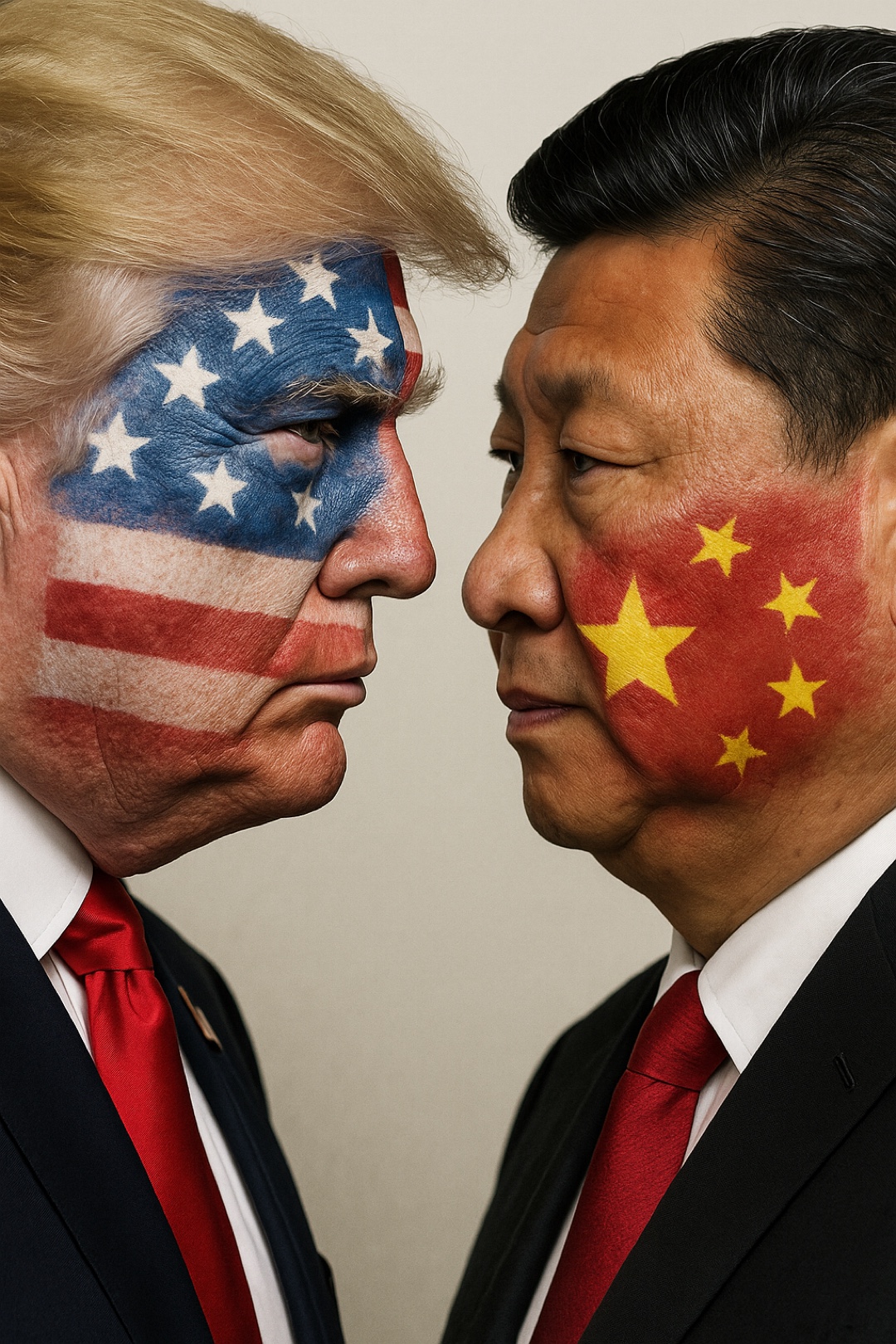
China and the United States are world powers without serious rivals. They eye each other warily across the Pacific. They vie for the allegiances of other major nations and an ever-larger share of the global GDP. They tout opposing values and ideologies. A massive geopolitical contest is underway.
Drawing on his decades of experience in diplomacy and geopolitical strategy, Kishore Mahbubani offers a bracingly honest appraisal of the strengths and weaknesses of these ambitious and eccentric superpowers—and a clear-eyed assessment of their best path forward. Has China Won? is the definitive guide to the deep fault lines between the two countries.
Book Information
Posts

Wenn schlaue Menschen sprechen, sollte man zuhören.
So auch beim Diplomaten Kishore Mahbubani. In seinem Buch „Has China Won?“ stellt der Mann aus Singapur provokant die Frage, ob China Amerikas Rolle als die alleinige Weltmacht ablösen wird, oder vielleicht schon auf dem besten Weg dorthin ist. Mit seiner neutralen, asiatischen Perspektive hält er beiden Supermächten wie ein Lehrer auf dem Pausenplatz den Spiegel vor: die USA in alten Denkmustern gefangen, China strategisch fokussiert, beide mit Stärken und Schwächen. Statt blosser Rivalität skizziert Mahbubani eine Vision von Kooperation, ein mögliches Win-Win, das der Menschheit mehr bringen würde als ein endloser Machtkampf. Fazit: Ein provokantes, differenziertes und zugleich hoffnungsvolles Buch, das gängige Narrative infrage stellt und neue Denkanstösse bietet. Wer den Disput der beiden Länder verstehen will, kommt nicht um dieses Buch herum.

I love the questions that are asked in this book. When I looked at the titles of each chapter, I just thought, Oh, there's nothing I want to leave out. I can see why many people think the author is in favor of China. I also noticed that the author knows a lot about China, which is another reason for me to read this book (certainly not the only one). Because sometimes you just can't stand it when people talk about things they haven't studied and just talk whatever they want or repeat what they saw on media without thinking. The author is not only fluent in Chinese (as he mentions in the book), but also knows a lot of Chinese culture, including Chinese philosophy and Chinese history. And I agree with most of what he says. Especially with the content of chapter 4, when he analyzes whether China is expansionist. From an early age, we were taught that 以和为贵(peace is "expensive"), we were taught 不干涉他国内政(Non interference in other countries' internal affairs). We have also learned from history that cooperation is important, 闭关锁国(closing the country) does not work. I doubt any Chinese want to conquer other countries and make other countries become communist. I also don't understand why some Americans believe that domocracy is good for every country and believe that Chinese are suffering without even having been to China once.
Description
“An excellent and important book on the biggest question in international affairs: how will the relationship between the US and China evolve?” —Martin Wolf, chief economics commentator, Financial Times
China and the United States are world powers without serious rivals. They eye each other warily across the Pacific. They vie for the allegiances of other major nations and an ever-larger share of the global GDP. They tout opposing values and ideologies. A massive geopolitical contest is underway.
Drawing on his decades of experience in diplomacy and geopolitical strategy, Kishore Mahbubani offers a bracingly honest appraisal of the strengths and weaknesses of these ambitious and eccentric superpowers—and a clear-eyed assessment of their best path forward. Has China Won? is the definitive guide to the deep fault lines between the two countries.
Book Information
Posts
Wenn schlaue Menschen sprechen, sollte man zuhören.
So auch beim Diplomaten Kishore Mahbubani. In seinem Buch „Has China Won?“ stellt der Mann aus Singapur provokant die Frage, ob China Amerikas Rolle als die alleinige Weltmacht ablösen wird, oder vielleicht schon auf dem besten Weg dorthin ist. Mit seiner neutralen, asiatischen Perspektive hält er beiden Supermächten wie ein Lehrer auf dem Pausenplatz den Spiegel vor: die USA in alten Denkmustern gefangen, China strategisch fokussiert, beide mit Stärken und Schwächen. Statt blosser Rivalität skizziert Mahbubani eine Vision von Kooperation, ein mögliches Win-Win, das der Menschheit mehr bringen würde als ein endloser Machtkampf. Fazit: Ein provokantes, differenziertes und zugleich hoffnungsvolles Buch, das gängige Narrative infrage stellt und neue Denkanstösse bietet. Wer den Disput der beiden Länder verstehen will, kommt nicht um dieses Buch herum.
I love the questions that are asked in this book. When I looked at the titles of each chapter, I just thought, Oh, there's nothing I want to leave out. I can see why many people think the author is in favor of China. I also noticed that the author knows a lot about China, which is another reason for me to read this book (certainly not the only one). Because sometimes you just can't stand it when people talk about things they haven't studied and just talk whatever they want or repeat what they saw on media without thinking. The author is not only fluent in Chinese (as he mentions in the book), but also knows a lot of Chinese culture, including Chinese philosophy and Chinese history. And I agree with most of what he says. Especially with the content of chapter 4, when he analyzes whether China is expansionist. From an early age, we were taught that 以和为贵(peace is "expensive"), we were taught 不干涉他国内政(Non interference in other countries' internal affairs). We have also learned from history that cooperation is important, 闭关锁国(closing the country) does not work. I doubt any Chinese want to conquer other countries and make other countries become communist. I also don't understand why some Americans believe that domocracy is good for every country and believe that Chinese are suffering without even having been to China once.