Wildland
Buy Now




By using these links, you support READO. We receive an affiliate commission without any additional costs to you.
Description
After a decade abroad, the National Book Award- and Pulitzer Prize-winning writer Evan Osnos returns to three places he has lived in the United States--Greenwich, CT; Clarksburg, WV; and Chicago, IL--to illuminate the origins of America's political fury.
Evan Osnos moved to Washington, D.C., in 2013 after a decade away from the United States, first reporting from the Middle East before becoming the Beijing bureau chief at the Chicago Tribune and then the China correspondent for The New Yorker. While abroad, he often found himself making a case for America, urging the citizens of Egypt, Iraq, or China to trust that even though America had made grave mistakes throughout its history, it aspired to some foundational moral commitments: the rule of law, the power of truth, the right of equal opportunity for all. But when he returned to the United States, he found each of these principles under assault.
In search of an explanation for the crisis that reached an unsettling crescendo in 2020--a year of pandemic, civil unrest, and political turmoil--he focused on three places he knew firsthand: Greenwich, Connecticut; Clarksburg, West Virginia; and Chicago, Illinois. Reported over the course of six years, Wildland follows ordinary individuals as they navigate the varied landscapes of twenty-first-century America. Through their powerful, often poignant stories, Osnos traces the sources of America's political dissolution. He finds answers in the rightward shift of the financial elite in Greenwich, in the collapse of social infrastructure and possibility in Clarksburg, and in the compounded effects of segregation and violence in Chicago. The truth about the state of the nation may be found not in the slogans of political leaders but in the intricate details of individual lives, and in the hidden connections between them. As Wildland weaves in and out of these personal stories, events in Washington occasionally intrude, like flames licking up on the horizon.
A dramatic, prescient examination of seismic changes in American politics and culture, Wildland is the story of a crucible, a period bounded by two shocks to America's psyche, two assaults on the country's sense of itself: the attacks of September 11 in 2001 and the storming of the U.S. Capitol on January 6, 2021. Following the lives of everyday Americans in three cities and across two decades, Osnos illuminates the country in a startling light, revealing how we lost the moral confidence to see ourselves as larger than the sum of our parts.
Book Information
Posts
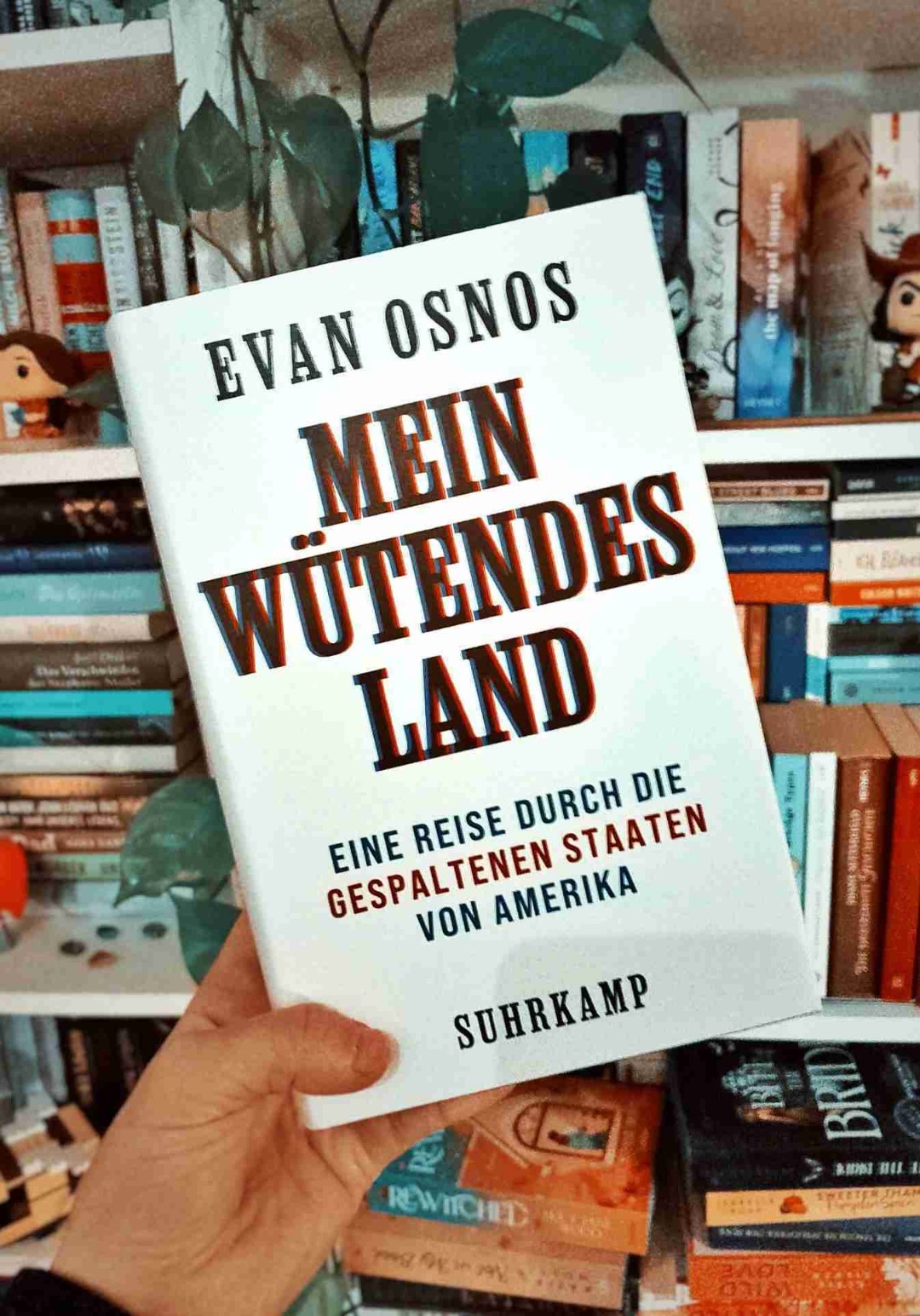
Was derzeit am anderen Ende des großen Teiches passiert, lässt einem manchmal wirklich den Atem stocken. Dass viele Menschen auf der Welt Amerika befremdlich finden, ist nichts Neues, doch man hat das Gefühl, das Land habe einen weiteren, besonders tiefen Tiefpunkt erreicht. Um die Ursachen besser zu verstehen, habe ich zur Literatur gegriffen. Evan Osnos nimmt uns in seinem Buch mit auf eine Reise durch die amerikanische Geschichte. Von den späten 1920er-Jahren bis zur Amtseinführung Joe Bidens beleuchtet er zahlreiche Facetten des politischen und gesellschaftlichen Lebens in den USA. Osnos, selbst Amerikaner, hat viele Jahre im Ausland gearbeitet und kehrte kurz vor den Anschlägen vom 11. September in seine Heimat zurück. Er kennt also sowohl den Blick von innen als auch den von außen auf sein Land. Anhand der Beispiele Greenwich, Chicago und Clarksburg zeichnet er das Bild einer Nation, deren gesellschaftliche Risse kaum mehr zu kitten scheinen. Von Arbeitslosigkeit über Gentrifizierung und Segregation bis hin zu schier unfassbarer Dekadenz – Osnos deckt alles ab. Er spricht mit Bergarbeitern und Farmern in ländlichen Regionen, die durch schlechte wirtschaftliche Entscheidungen ihre Gesundheit, ihr Land und ihre Würde verloren haben. Er spricht mit Schwarzen Amerikanern, die auch Jahrzehnte nach dem Ende der Sklaverei in nahezu allen Lebensbereichen benachteiligt werden. Sei es in Bildung, Gesundheit, Wohnungsmarkt oder Finanzen. Und er spricht mit Menschen am oberen Ende der sozialen Leiter: Finanzmanagern, Firmenchefs und Politikern, deren Egoismus und Dekadenz er schonungslos offenlegt. Osnos zeigt, wie jahrzehntelanges Streben nach Macht und Kapital einige wenige ins Paradies und den Rest der Nation in den Abgrund geführt hat. Wie Politik und Sozialsystem ausgehöhlt wurden, weil Menschen mit mehr Geld, als gut für sie ist, immer weiter bevorzugt werden. Wir erfahren, wie Arbeitgeber und Hedgefonds während der Wirtschaftskrise die Politik manipulierten, während Arbeitnehmer und Rentner ihre Krankenversicherung verloren. Der Autor macht keinen Hehl daraus, dass er von seinem Land enttäuscht ist und beim Lesen teilt man diese Enttäuschung. Enttäuschung über die Reichen und Mächtigen, über die Politik, und über jene, die Donald Trump noch immer die Treue halten. Gleichzeitig bekommt man ein Gespür für die Gründe seines Erfolgs. Für das Gefühl der Machtlosigkeit, das viele Amerikaner erfasst hat. Und doch bleibt Wut zurück, denn es wird schnell deutlich, wie festgefahren viele in ihren Meinungen sind. Eine Besserung scheint in weiter Ferne. (Wenn ich noch einmal „Dieser böse Sozialismus!“ höre, schreie ich!) Evan Osnos hat mit Mein wütendes Land eine beeindruckende Analyse der modernen amerikanischen Gesellschaft vorgelegt. Wer die USA des 21. Jahrhunderts verstehen will, kommt an diesem Buch nicht vorbei.
Description
After a decade abroad, the National Book Award- and Pulitzer Prize-winning writer Evan Osnos returns to three places he has lived in the United States--Greenwich, CT; Clarksburg, WV; and Chicago, IL--to illuminate the origins of America's political fury.
Evan Osnos moved to Washington, D.C., in 2013 after a decade away from the United States, first reporting from the Middle East before becoming the Beijing bureau chief at the Chicago Tribune and then the China correspondent for The New Yorker. While abroad, he often found himself making a case for America, urging the citizens of Egypt, Iraq, or China to trust that even though America had made grave mistakes throughout its history, it aspired to some foundational moral commitments: the rule of law, the power of truth, the right of equal opportunity for all. But when he returned to the United States, he found each of these principles under assault.
In search of an explanation for the crisis that reached an unsettling crescendo in 2020--a year of pandemic, civil unrest, and political turmoil--he focused on three places he knew firsthand: Greenwich, Connecticut; Clarksburg, West Virginia; and Chicago, Illinois. Reported over the course of six years, Wildland follows ordinary individuals as they navigate the varied landscapes of twenty-first-century America. Through their powerful, often poignant stories, Osnos traces the sources of America's political dissolution. He finds answers in the rightward shift of the financial elite in Greenwich, in the collapse of social infrastructure and possibility in Clarksburg, and in the compounded effects of segregation and violence in Chicago. The truth about the state of the nation may be found not in the slogans of political leaders but in the intricate details of individual lives, and in the hidden connections between them. As Wildland weaves in and out of these personal stories, events in Washington occasionally intrude, like flames licking up on the horizon.
A dramatic, prescient examination of seismic changes in American politics and culture, Wildland is the story of a crucible, a period bounded by two shocks to America's psyche, two assaults on the country's sense of itself: the attacks of September 11 in 2001 and the storming of the U.S. Capitol on January 6, 2021. Following the lives of everyday Americans in three cities and across two decades, Osnos illuminates the country in a startling light, revealing how we lost the moral confidence to see ourselves as larger than the sum of our parts.
Book Information
Posts
Was derzeit am anderen Ende des großen Teiches passiert, lässt einem manchmal wirklich den Atem stocken. Dass viele Menschen auf der Welt Amerika befremdlich finden, ist nichts Neues, doch man hat das Gefühl, das Land habe einen weiteren, besonders tiefen Tiefpunkt erreicht. Um die Ursachen besser zu verstehen, habe ich zur Literatur gegriffen. Evan Osnos nimmt uns in seinem Buch mit auf eine Reise durch die amerikanische Geschichte. Von den späten 1920er-Jahren bis zur Amtseinführung Joe Bidens beleuchtet er zahlreiche Facetten des politischen und gesellschaftlichen Lebens in den USA. Osnos, selbst Amerikaner, hat viele Jahre im Ausland gearbeitet und kehrte kurz vor den Anschlägen vom 11. September in seine Heimat zurück. Er kennt also sowohl den Blick von innen als auch den von außen auf sein Land. Anhand der Beispiele Greenwich, Chicago und Clarksburg zeichnet er das Bild einer Nation, deren gesellschaftliche Risse kaum mehr zu kitten scheinen. Von Arbeitslosigkeit über Gentrifizierung und Segregation bis hin zu schier unfassbarer Dekadenz – Osnos deckt alles ab. Er spricht mit Bergarbeitern und Farmern in ländlichen Regionen, die durch schlechte wirtschaftliche Entscheidungen ihre Gesundheit, ihr Land und ihre Würde verloren haben. Er spricht mit Schwarzen Amerikanern, die auch Jahrzehnte nach dem Ende der Sklaverei in nahezu allen Lebensbereichen benachteiligt werden. Sei es in Bildung, Gesundheit, Wohnungsmarkt oder Finanzen. Und er spricht mit Menschen am oberen Ende der sozialen Leiter: Finanzmanagern, Firmenchefs und Politikern, deren Egoismus und Dekadenz er schonungslos offenlegt. Osnos zeigt, wie jahrzehntelanges Streben nach Macht und Kapital einige wenige ins Paradies und den Rest der Nation in den Abgrund geführt hat. Wie Politik und Sozialsystem ausgehöhlt wurden, weil Menschen mit mehr Geld, als gut für sie ist, immer weiter bevorzugt werden. Wir erfahren, wie Arbeitgeber und Hedgefonds während der Wirtschaftskrise die Politik manipulierten, während Arbeitnehmer und Rentner ihre Krankenversicherung verloren. Der Autor macht keinen Hehl daraus, dass er von seinem Land enttäuscht ist und beim Lesen teilt man diese Enttäuschung. Enttäuschung über die Reichen und Mächtigen, über die Politik, und über jene, die Donald Trump noch immer die Treue halten. Gleichzeitig bekommt man ein Gespür für die Gründe seines Erfolgs. Für das Gefühl der Machtlosigkeit, das viele Amerikaner erfasst hat. Und doch bleibt Wut zurück, denn es wird schnell deutlich, wie festgefahren viele in ihren Meinungen sind. Eine Besserung scheint in weiter Ferne. (Wenn ich noch einmal „Dieser böse Sozialismus!“ höre, schreie ich!) Evan Osnos hat mit Mein wütendes Land eine beeindruckende Analyse der modernen amerikanischen Gesellschaft vorgelegt. Wer die USA des 21. Jahrhunderts verstehen will, kommt an diesem Buch nicht vorbei.