Loose threads, flat characters, and a finale that jogs where it should sprint. The Silo trilogy deserved better.
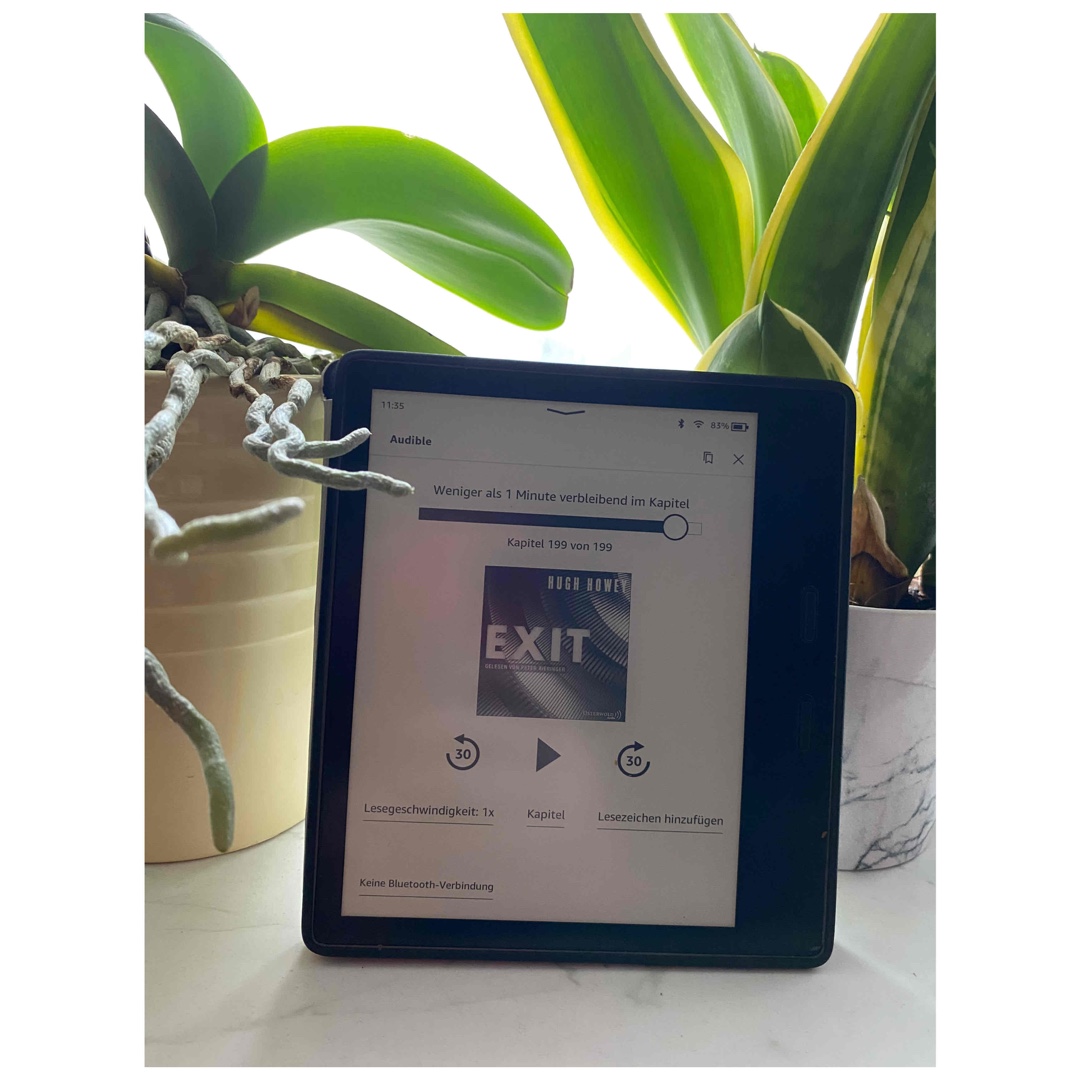
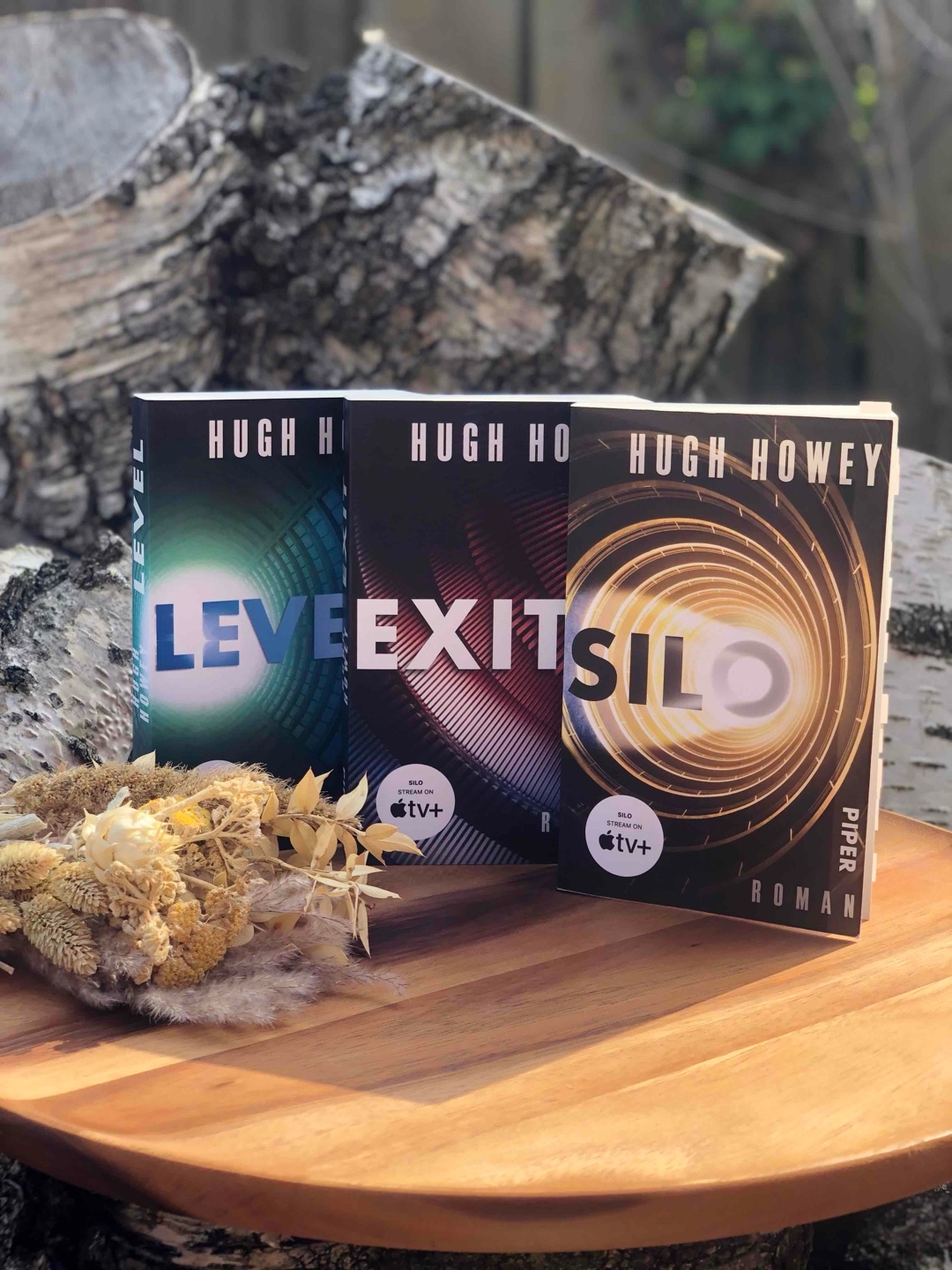
Spoiler warning: this review contains plot details from all three books in the Silo trilogy. Giving the finale of a series you love a below-average rating is never easy. Silo was one of my favourite books in years. Level kept the momentum going. Exit, unfortunately, stumbles at the finish line – and stumbles in ways that are hard to ignore. Let’s start with what works. Howey still has a remarkable gift for making the underground world feel suffocatingly real. The claustrophobia, the dread, the sense that no good outcome is possible – it’s all there, and the story picks up seamlessly from where Level left off. For the first half, that familiar tension holds. There are genuinely gripping moments, and throughout I carried this nagging dread that the ending would go somewhere dark and gutting. The problem is it doesn’t go anywhere particularly interesting at all. The back third of the book just… jogs along. No real climax, no knockout punch. The most exciting sequences happen around the halfway mark, and then the story winds down to a conclusion that feels more like a slow exhale than a detonation. For a series built on revelations and momentum, that’s a significant let-down. What hurts most is the characters. Howey’s strength has always been plot and atmosphere – and in the earlier books, that was enough. Here, with the story becoming far more character-driven, the cracks show badly. There are too many named characters who are functionally interchangeable. Juliette, Charlotte, Shirly – their voices blur into one another. Even Solo, who should feel unique given everything he’s been through, acts like everyone else. New characters are introduced only to be killed off before you’ve had a chance to care. Darcy is the clearest example: pages devoted to building a relationship that lands with a dull thud rather than a gut punch. And then there are the loose threads. Silo 40. The other silos. What actually happened to the outside world. The nanobot mechanics. These mysteries are dangled throughout the trilogy and then left hanging – not in a satisfying, ambiguous way, but in a “did Howey forget about this?” kind of way. The ending, where the survivors emerge to find green fields right next to the poisoned dome, raises more questions than it answers. Like LOST, the series had built such an intricate web of mystery that the finale was always going to struggle. Unlike the best finales, this one doesn’t even try to snap the pieces together. Exit is not a bad book. As part of a trilogy, the Silo saga remains some of the best dystopian fiction around. But this closing chapter needed a sharper editor and a bolder final act. It deserved to go out with a bang. It didn’t.