Wuthering Heights (Penguin Classics) by Emily Brontë Pauline Nestor(2002-12-31)
Buy Now




By using these links, you support READO. We receive an affiliate commission without any additional costs to you.
Book Information
Posts


Auch beim 5. (?) Lesen immer noch toll
Wieder gelesen wegen des Films (den ich immer noch nicht gesehen habe!), zum wahrscheinlich 5. Mal innerhalb von gut 20 Jahren. Wieder fallen mir andere, neue Dinge auf, oder auch dieselben: - nein, Emerald, das ist keine Love Story - weder Catherine noch Heathcliff wissen, was Liebe ist - Catherine und Heathcliff können sich eigentlich gar nicht leiden, aber lieber buddelt er ihren Sarg wieder aus als das zuzugeben - Catherine mag nur sich selbst, oder die Vorstellung von sich - aber auch kein Wunder - solche Charaktere entstehen, wenn man nie unter Leute kommt - toxische Männlichkeit war auch schon im 19. Jahrhundert ein großes und bekanntes Problem, siehe Heathcliff: „Wenn es mir schlecht geht, soll es anderen noch schlechter gehen, auch der Liebe meines Lebens“ - die zentrale Frage ist wahrscheinlich die nach nature und nuture: was an Heathcliff ist angeborene Persönlichkeit, was Produkt von Vernachlässigung und Erniedrigung (dem entgegengesetzt: Hareton!) - Nelly Dean ist nicht nur eine unzuverlässige Erzählerin, sie kann wirklich niemanden in ihrer Geschichte leiden - alle doof, außer Nelly - ok, Cathy 2 und Hareton, die mag sie - DIE sind auch die wirkliche Liebesgeschichte in diesem Buch - wholesome Romance at its best. Leider nur auf den letzten 80 Seiten. Dazu bitte eine Netflix-Serie, Emerald - Danke.
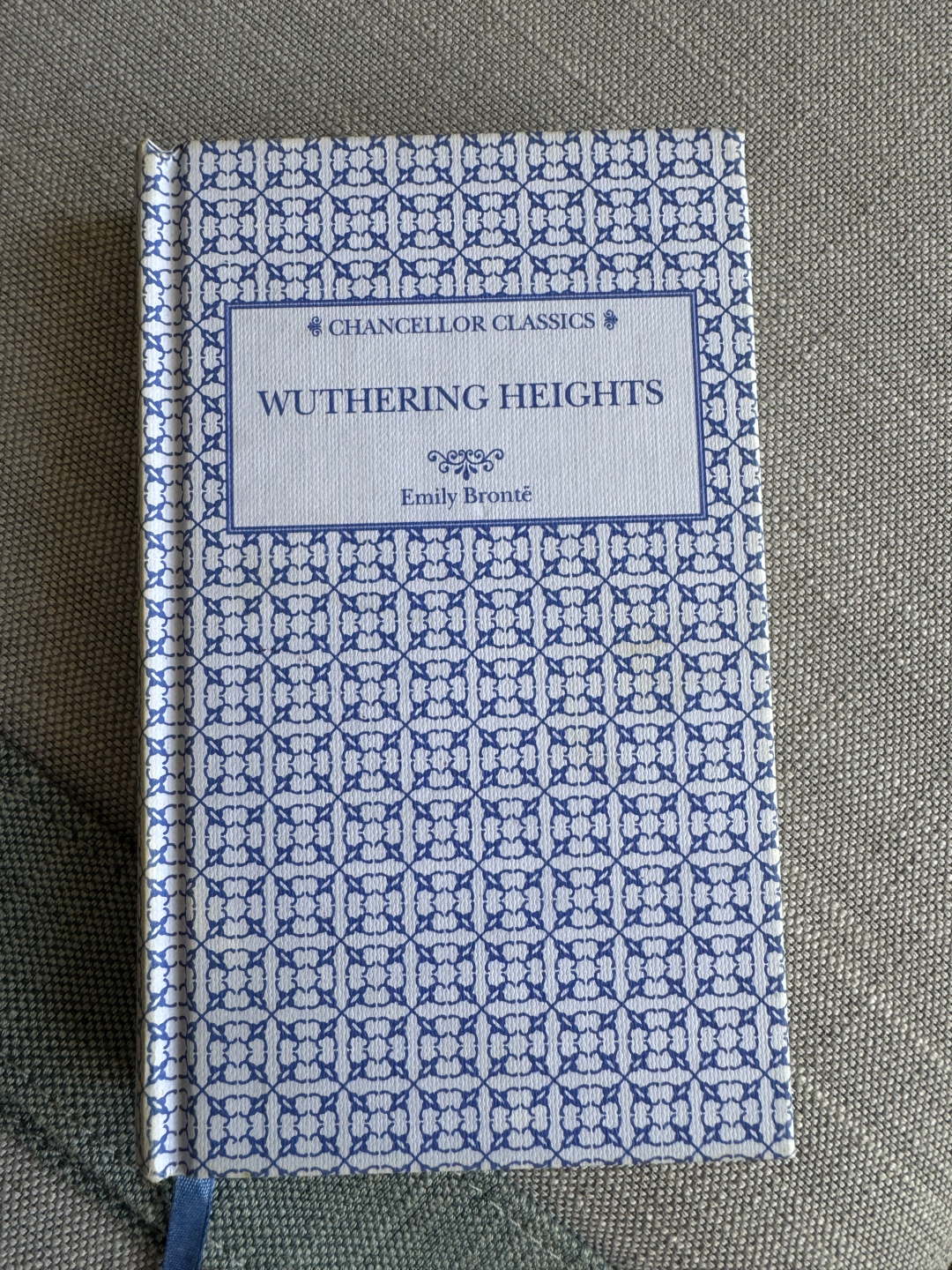

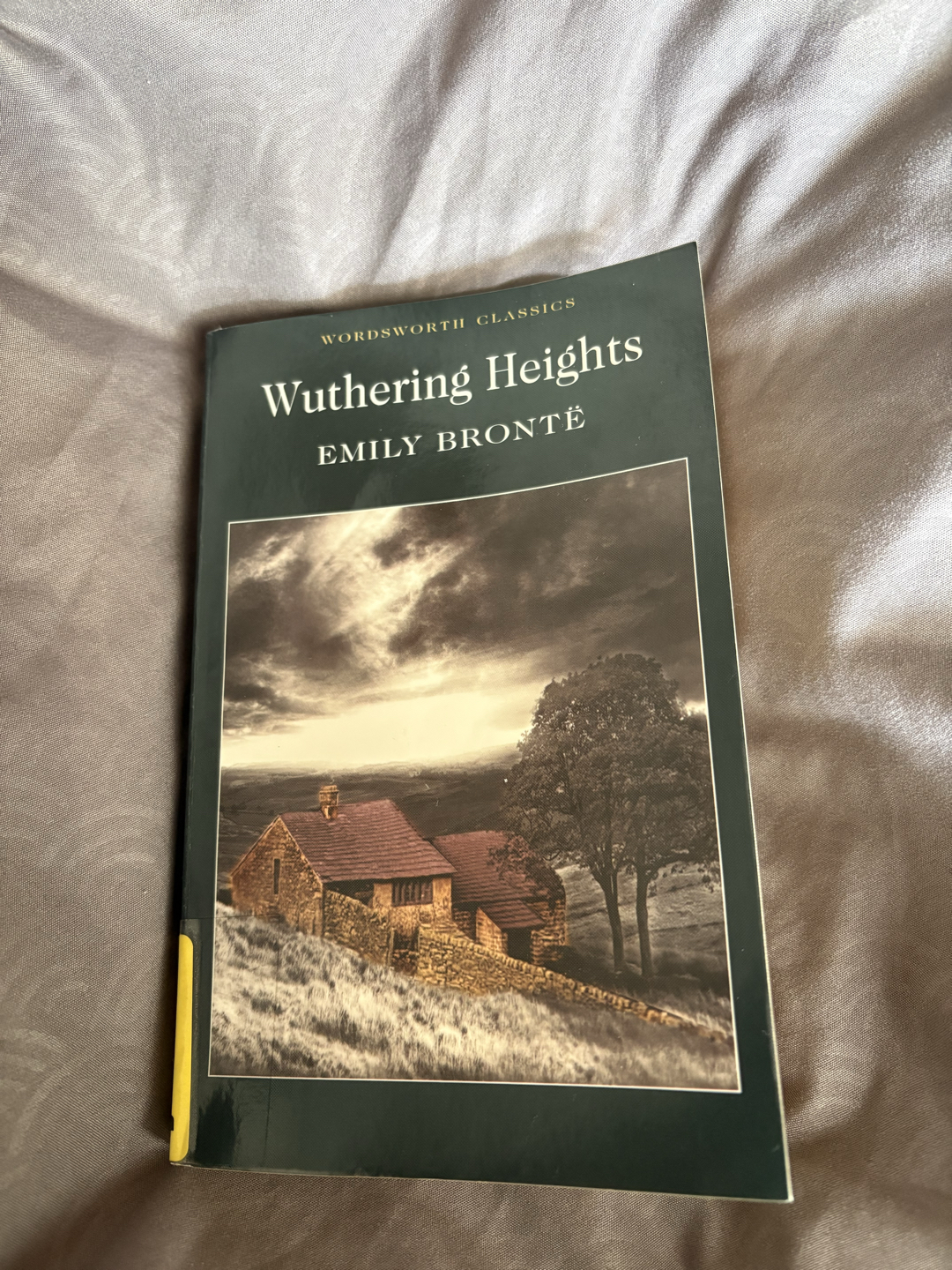

I would have loved to dissect this novel in a term paper at uni. So buckle up, because this is gonna be a long review: It is no wonder this novel is regarded as a classic and highly controversial at its time. There is no moral to the story, no lesson to be learned, just deeply flawed characters in a deeply flawed society. And in my opinion, Wuthering Heights is a lot, but not a love story! In fact, I would say, the two men, Heathcliff and Edgar, are both a representation of Catherine's deepest desires: Heathcliff represents her wild and untamed side, her desire to be free and unshackled, whereas Edgar embodies her longing for safety, comfort and acceptance. And considering her loveless and unstable upbringing, it is no wonder Catherine would choose to marry Edgar, even though her whole being longed to be free. I also cannot help but wonder, how much of Heathcliff's character is a result of his inhumane treatment as a child. Coming from nothing, then being showered with adoration from the old Earnshaw, only to be mistreated by everyone else except Catherine, his dire obsession with her makes a lot of sense. Especially towards the end, when he sees Catherine's shadow everywhere. Although, this by no means excuses his abhorrent treatment of Isabelle, Cathy, Hereton and animals in general! There also seems to be a peculiar link between childbirth and despair. Neither Francis nor Catherine survive childbirth, resulting in pain for everyone around them. Not to mention the absolute lack of acknowledgement pregnancy receives throughout the novel. It is always just mentioned in passing.
Book Information
Posts
Auch beim 5. (?) Lesen immer noch toll
Wieder gelesen wegen des Films (den ich immer noch nicht gesehen habe!), zum wahrscheinlich 5. Mal innerhalb von gut 20 Jahren. Wieder fallen mir andere, neue Dinge auf, oder auch dieselben: - nein, Emerald, das ist keine Love Story - weder Catherine noch Heathcliff wissen, was Liebe ist - Catherine und Heathcliff können sich eigentlich gar nicht leiden, aber lieber buddelt er ihren Sarg wieder aus als das zuzugeben - Catherine mag nur sich selbst, oder die Vorstellung von sich - aber auch kein Wunder - solche Charaktere entstehen, wenn man nie unter Leute kommt - toxische Männlichkeit war auch schon im 19. Jahrhundert ein großes und bekanntes Problem, siehe Heathcliff: „Wenn es mir schlecht geht, soll es anderen noch schlechter gehen, auch der Liebe meines Lebens“ - die zentrale Frage ist wahrscheinlich die nach nature und nuture: was an Heathcliff ist angeborene Persönlichkeit, was Produkt von Vernachlässigung und Erniedrigung (dem entgegengesetzt: Hareton!) - Nelly Dean ist nicht nur eine unzuverlässige Erzählerin, sie kann wirklich niemanden in ihrer Geschichte leiden - alle doof, außer Nelly - ok, Cathy 2 und Hareton, die mag sie - DIE sind auch die wirkliche Liebesgeschichte in diesem Buch - wholesome Romance at its best. Leider nur auf den letzten 80 Seiten. Dazu bitte eine Netflix-Serie, Emerald - Danke.
I would have loved to dissect this novel in a term paper at uni. So buckle up, because this is gonna be a long review: It is no wonder this novel is regarded as a classic and highly controversial at its time. There is no moral to the story, no lesson to be learned, just deeply flawed characters in a deeply flawed society. And in my opinion, Wuthering Heights is a lot, but not a love story! In fact, I would say, the two men, Heathcliff and Edgar, are both a representation of Catherine's deepest desires: Heathcliff represents her wild and untamed side, her desire to be free and unshackled, whereas Edgar embodies her longing for safety, comfort and acceptance. And considering her loveless and unstable upbringing, it is no wonder Catherine would choose to marry Edgar, even though her whole being longed to be free. I also cannot help but wonder, how much of Heathcliff's character is a result of his inhumane treatment as a child. Coming from nothing, then being showered with adoration from the old Earnshaw, only to be mistreated by everyone else except Catherine, his dire obsession with her makes a lot of sense. Especially towards the end, when he sees Catherine's shadow everywhere. Although, this by no means excuses his abhorrent treatment of Isabelle, Cathy, Hereton and animals in general! There also seems to be a peculiar link between childbirth and despair. Neither Francis nor Catherine survive childbirth, resulting in pain for everyone around them. Not to mention the absolute lack of acknowledgement pregnancy receives throughout the novel. It is always just mentioned in passing.