Unendlichkeit
Buy Now




By using these links, you support READO. We receive an affiliate commission without any additional costs to you.
Description
Book Information
Author Description
Alastair Reynolds wurde 1966 im walisischen Barry geboren. Er studierte Astronomie in Newcastle und St. Andrews und arbeitete lange Jahre als Astrophysiker für die Europäische Raumfahrt-Agentur ESA, bevor er sich als freier Schriftsteller selbstständig machte. Mit seinem Debütroman »Unendlichkeit« führte er die Science-Fiction ins 21. Jahrhundert: Millionen von Leser*innen rund um die Welt haben die Abenteuer der Menschheit in dieser fernen, düsteren Zukunft verfolgt. Heute lebt Alastair Reynolds mit seiner Familie in Wales.
Posts

Auf Seite 120 aufgehört. Dafür ist mir meine Lesezeit zu schade. Düsteres Setting mit mir völlig undurchschaubaren Charakteren und einer merkwürdigen Scifi-Standardwelt die schlecht erklärt wird. Alles bleibt wage, es gibt keinen Spannungsbogen (zumindest nicht bis Seite 120) und Emotionen oder irgend etwas packendes: Ebenfalls Fehlanzeige. Ciao Reynolds.

What I really like about the book are the ideas and the world, the overall premise and how it keeps you on your toes with constant revelations. What I didn't care for are the sterile characters and the constant hostility. While this isn't non-stop action and more a game of threats and manipulation, it clearly had the tone of an action movie. If there had been something for me to latch on to I would have really enjoyed the story, but as it was, it lacked any kind of emotional Impact. Still a very easy and quick read.

Alastair Reynolds hat mit Unendlichkeit eine Space Opera geschaffen, die all jene Lügen straft, die Science-Fiction als naive Märchenstunde für Technikverliebte abtun. Dieses Buch ist das Gegenteil einer verklärten Zukunftsvision – es ist die gnadenlose Demontage der Illusion, dass der Weltraum uns eine zweite Chance böte. Stattdessen ist das Universum ein kalter, feindlicher Ort, in dem Menschen nicht triumphieren, sondern sich bestenfalls durchwinden. Schon nach wenigen Seiten wird klar, dass Reynolds eine einzigartige Mischung aus wissenschaftlicher Akribie und literarischem Nihilismus beherrscht. Seine Welt ist erbarmungslos: Raumschiffe, die mit annähernder Lichtgeschwindigkeit operieren, sind keine glänzenden Kreuzfahrtschiffe, sondern knirschende, von Seuchen zerfressene Kolosse. Kulturelle Dekadenz zeigt sich nicht in glanzvollen Metropolen, sondern in perversen Spielen, in denen Attentate zum gesellschaftlichen Zeitvertreib gehören. Und natürlich gibt es ein zentrales Rätsel: Was ist mit den Amarantin geschehen, der Alien-Spezies, die kurz vor ihrem Aufbruch zu den Sternen ausgelöscht wurde? Diese Frage ist die treibende Obsession des Protagonisten Dan Sylveste, eines Wissenschaftlers von solch arroganter Selbstüberschätzung, dass man ihm einerseits bewundernd folgen möchte und andererseits wünscht, ihm würde jemand eine Ohrfeige verpassen. Aber das ist es, was Reynolds kann: Er zwingt uns, mit Figuren Zeit zu verbringen, die weder liebenswert noch moralisch integer sind. Ob es die gnadenlose Munitionsmeisterin Ilia Volyova ist, die mit einem tödlichen Arsenal hantiert, oder Ana Khouri, eine Auftragsmörderin mit einer nebulösen Agenda – sie alle existieren in einem moralischen Graubereich, der keine Identifikation, sondern nur Faszination zulässt. Und dann ist da noch der Captain der Sehnsucht nach Unendlichkeit, eine groteske Monstrosität aus Mensch und Maschine, ein Fiebertraum aus verschmolzenem Fleisch und Metall. Reynolds’ wissenschaftlicher Hintergrund ist nicht zu übersehen. Hier wird kein Pseudogeschwafel über Hyperraumreisen abgeliefert, sondern harte Physik. Wer Schwierigkeiten mit Fachbegriffen hat, wird sich mühen müssen, doch für alle, die wissenschaftliche Präzision in der Science-Fiction schätzen, ist Unendlichkeit ein Fest. Die langsame Erzählweise, die komplexen Zeitsprünge und die detaillierte Beschreibung von Technologien verlangen Konzentration, aber genau darin liegt der Reiz: Dies ist kein Buch für Ungeduldige, sondern für Leser, die bereit sind, sich auf eine intellektuelle Herausforderung einzulassen. Und doch, bei aller Brillanz, bleibt Unendlichkeit nicht ohne Makel. Die Erzählstruktur kann zäh sein, einige Passagen sind übermäßig detailliert, und es fehlt manchmal an erzählerischer Ökonomie. Zudem sind Reynolds’ Charaktere oft so kühl wie der Kosmos selbst – wer emotionale Wärme sucht, sollte lieber zu Iain M. Banks greifen. Aber genau hier liegt auch die Stärke dieses Romans: Er nimmt keine Rücksicht, er biedert sich nicht an, er verlangt etwas von seinem Leser. Wer sich auf Unendlichkeit einlässt, bekommt keine strahlenden Helden, sondern eine düstere, grandios konstruierte Welt, in der die Zukunft nicht leuchtet, sondern erdrückt. Es ist harte Science-Fiction in ihrer reinsten Form – anspruchsvoll, fordernd und in ihrer Kälte erschreckend überzeugend. Ein Buch für jene, die bereit sind, sich zu fragen, ob die Zukunft wirklich ein Versprechen ist – oder doch eher eine Warnung.

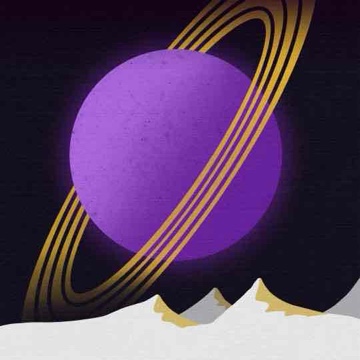
A man said to the universe: “Sir, I exist!” “However,” replied the universe, “The fact has not created in me A sense of obligation.” —Stephen Crane— ___________ I really loved this book, even though it has some obvious technical flaws. It does feel surprisingly modern for a book published in the year 2000 for reasons explained below. I should, however, issue a warning first concerning the language: While I would classify this story as part of the space opera subgenre of SciFi with elements of Hard SciFi sprinkled on top, Reynolds writes in a way more frequently found in Hard SciFi novels. The tone is dry and often times emotionless, frequent mentions of technical or scientific details, the narration always two steps removed from the characters and their inner workings. I like that kind of detached storytelling in SciFi — my favourite subgenre being Hard SciFi— but I would advise any reader to read the sample first before buying. Expect more Asimov or Robinson than Corey or Weir (even though especially the characters are much more fleshed out than in the first two examples). One thing I appreciated was that the universe actually feels big and human populations are sparse and have evolved beyond our current understanding of cultures, borders, nationalities, etc. There are not many things as effective in making me put down a SciFi book as giving me a setting of USA but in space . It is terribly unimaginative, uncreative and nonsensical. So I‘m very glad this book never falls into that trap (possibly also due to the fact that the author is British/Welsh, not US American). There‘s also no FTL drive, instead huge ships called Lighthuggers are utilised to traverse giant distances. Since very few are left of them, however, and new ones can‘t just be build, most human colonies have no way to get in contact with each other quickly, often times not knowing what is going on beyond their own star system or even planet. This isolation has also led to the formation of different factions of humans that are so drastically different from each other that it can be questioned to what extent they still belong to the same species (since some heavy amount of genetical engineering is involved too). There are countless more fascinating details and ideas involving the universe Reynolds has created — at a heavy cost of pacing. If you are interested in the ideas alone, you will have a field day with this book, like I did. If you need a plot to keep you going, you will have some rough patches to get through. My hope is that Reynolds will be able to capitalise on all that ground work in the sequel, improving the pacing issues as much has already been established. I loved the main characters as well — they are 3-dimensional, complex, with flaws and redeeming qualities, clear motivations and they all have a field they are specialised in and good at. The book would not have worked with even just one of the three scrapped. The characters are another point where the book reads very modern: Two out of the three are women (and highly competent women too!), who are incredibly well written and possess just as many aforementioned flaws and virtues as their male counterpart. They are not perfect. They are not Merry Sues. They are not damsels in distress either (and I think if you said that to either Khouri‘s or Ilia‘s face you‘d be decorating the walls before you could blink). You can tell that Reynolds crafted every single one of them with care, treating them equally when it comes to their respective space in the story. They are not treated differently because they are women, be it in a positive or a negative sense — not by the story, not by the other characters, not by the narration and therefore not by the reader, either. The ending, however, fell sadly flat to me. Everything was great until the last 10 pages or so where Reynolds pulled a bunny out of his hat which stretched my suspension of disbelief too far. I‘m especially talking about the whole neutron star is a super computer that can somehow bring dead people back to life and simulate other dead people (but somehow only Pascale and Sylveste? Where are the other people who have entered the matrix? Where are the Banished who decided to enter the Matrix to evade the Inhibitors? Shouldn‘t they be there, too?) Also, killing of your characters only to essentially bring them all back/give them a „happy end“ feels too contrived and like Reynolds wanted to have his cake and eat it too. There are also too many twists for me cramped into too little space. Some of them have been build up throughout the novel so their payoff feels earned and satisfying, others, however, are just dropped out of the blue ( Sylveste being Calvin‘s clone, again the whole supercomputer thing and the mentioning of a mysterious third even more advanced species out there who das devised the supercomputer being the most glaring ones to me. You just had the big reveal about the Inhibitors and you are already introducing another possible faction, another mystery, a dozen pages before the end? ). It does feel like one of these cases where a novel —unsure if it would turn into a success or not— had to be constructed in a way that it could serve as a stand alone tale or the prologue to a series. That‘s the only way I can explain that ending, honestly. So: A great setup, intriguing world building, great characters and interesting ideas, which sadly face-plants just before the finish line. I will continue on with the series after a break, especially since I want to know much more about the world that Reynolds managed to build. There is a Kindle bundle available including all novels + short stories set in that universe and the audiobooks are free with an active Audible membership. _____________ 3.5 stars , rounded up.

A man said to the universe: “Sir, I exist!” “However,” replied the universe, “The fact has not created in me A sense of obligation.” —Stephen Crane— ___________ I really loved this book, even though it has some obvious technical flaws. It does feel surprisingly modern for a book published in the year 2000 for reasons explained below. I should, however, issue a warning first concerning the language: While I would classify this story as part of the space opera subgenre of SciFi with elements of Hard SciFi sprinkled on top, Reynolds writes in a way more frequently found in Hard SciFi novels. The tone is dry and often times emotionless, frequent mentions of technical or scientific details, the narration always two steps removed from the characters and their inner workings. I like that kind of detached storytelling in SciFi — my favourite subgenre being Hard SciFi— but I would advise any reader to read the sample first before buying. Expect more Asimov or Robinson than Corey or Weir (even though especially the characters are much more fleshed out than in the first two examples). One thing I appreciated was that the universe actually feels big and human populations are sparse and have evolved beyond our current understanding of cultures, borders, nationalities, etc. There are not many things as effective in making me put down a SciFi book as giving me a setting of USA but in space . It is terribly unimaginative, uncreative and nonsensical. So I‘m very glad this book never falls into that trap (possibly also due to the fact that the author is British/Welsh, not US American). There‘s also no FTL drive, instead huge ships called Lighthuggers are utilised to traverse giant distances. Since very few are left of them, however, and new ones can‘t just be build, most human colonies have no way to get in contact with each other quickly, often times not knowing what is going on beyond their own star system or even planet. This isolation has also led to the formation of different factions of humans that are so drastically different from each other that it can be questioned to what extent they still belong to the same species (since some heavy amount of genetical engineering is involved too). There are countless more fascinating details and ideas involving the universe Reynolds has created — at a heavy cost of pacing. If you are interested in the ideas alone, you will have a field day with this book, like I did. If you need a plot to keep you going, you will have some rough patches to get through. My hope is that Reynolds will be able to capitalise on all that ground work in the sequel, improving the pacing issues as much has already been established. I loved the main characters as well — they are 3-dimensional, complex, with flaws and redeeming qualities, clear motivations and they all have a field they are specialised in and good at. The book would not have worked with even just one of the three scrapped. The characters are another point where the book reads very modern: Two out of the three are women (and highly competent women too!), who are incredibly well written and possess just as many aforementioned flaws and virtues as their male counterpart. They are not perfect. They are not Merry Sues. They are not damsels in distress either (and I think if you said that to either Khouri‘s or Ilia‘s face you‘d be decorating the walls before you could blink). You can tell that Reynolds crafted every single one of them with care, treating them equally when it comes to their respective space in the story. They are not treated differently because they are women, be it in a positive or a negative sense — not by the story, not by the other characters, not by the narration and therefore not by the reader, either. The ending, however, fell sadly flat to me. Everything was great until the last 10 pages or so where Reynolds pulled a bunny out of his hat which stretched my suspension of disbelief too far. I‘m especially talking about the whole neutron star is a super computer that can somehow bring dead people back to life and simulate other dead people (but somehow only Pascale and Sylveste? Where are the other people who have entered the matrix? Where are the Banished who decided to enter the Matrix to evade the Inhibitors? Shouldn‘t they be there, too?) Also, killing of your characters only to essentially bring them all back/give them a „happy end“ feels too contrived and like Reynolds wanted to have his cake and eat it too. There are also too many twists for me cramped into too little space. Some of them have been build up throughout the novel so their payoff feels earned and satisfying, others, however, are just dropped out of the blue ( Sylveste being Calvin‘s clone, again the whole supercomputer thing and the mentioning of a mysterious third even more advanced species out there who das devised the supercomputer being the most glaring ones to me. You just had the big reveal about the Inhibitors and you are already introducing another possible faction, another mystery, a dozen pages before the end? ). It does feel like one of these cases where a novel —unsure if it would turn into a success or not— had to be constructed in a way that it could serve as a stand alone tale or the prologue to a series. That‘s the only way I can explain that ending, honestly. So: A great setup, intriguing world building, great characters and interesting ideas, which sadly face-plants just before the finish line. I will continue on with the series after a break, especially since I want to know much more about the world that Reynolds managed to build. There is a Kindle bundle available including all novels + short stories set in that universe and the audiobooks are free with an active Audible membership. _____________ 3.5 stars , rounded up.
Description
Book Information
Author Description
Alastair Reynolds wurde 1966 im walisischen Barry geboren. Er studierte Astronomie in Newcastle und St. Andrews und arbeitete lange Jahre als Astrophysiker für die Europäische Raumfahrt-Agentur ESA, bevor er sich als freier Schriftsteller selbstständig machte. Mit seinem Debütroman »Unendlichkeit« führte er die Science-Fiction ins 21. Jahrhundert: Millionen von Leser*innen rund um die Welt haben die Abenteuer der Menschheit in dieser fernen, düsteren Zukunft verfolgt. Heute lebt Alastair Reynolds mit seiner Familie in Wales.
Posts
Auf Seite 120 aufgehört. Dafür ist mir meine Lesezeit zu schade. Düsteres Setting mit mir völlig undurchschaubaren Charakteren und einer merkwürdigen Scifi-Standardwelt die schlecht erklärt wird. Alles bleibt wage, es gibt keinen Spannungsbogen (zumindest nicht bis Seite 120) und Emotionen oder irgend etwas packendes: Ebenfalls Fehlanzeige. Ciao Reynolds.
What I really like about the book are the ideas and the world, the overall premise and how it keeps you on your toes with constant revelations. What I didn't care for are the sterile characters and the constant hostility. While this isn't non-stop action and more a game of threats and manipulation, it clearly had the tone of an action movie. If there had been something for me to latch on to I would have really enjoyed the story, but as it was, it lacked any kind of emotional Impact. Still a very easy and quick read.
Alastair Reynolds hat mit Unendlichkeit eine Space Opera geschaffen, die all jene Lügen straft, die Science-Fiction als naive Märchenstunde für Technikverliebte abtun. Dieses Buch ist das Gegenteil einer verklärten Zukunftsvision – es ist die gnadenlose Demontage der Illusion, dass der Weltraum uns eine zweite Chance böte. Stattdessen ist das Universum ein kalter, feindlicher Ort, in dem Menschen nicht triumphieren, sondern sich bestenfalls durchwinden. Schon nach wenigen Seiten wird klar, dass Reynolds eine einzigartige Mischung aus wissenschaftlicher Akribie und literarischem Nihilismus beherrscht. Seine Welt ist erbarmungslos: Raumschiffe, die mit annähernder Lichtgeschwindigkeit operieren, sind keine glänzenden Kreuzfahrtschiffe, sondern knirschende, von Seuchen zerfressene Kolosse. Kulturelle Dekadenz zeigt sich nicht in glanzvollen Metropolen, sondern in perversen Spielen, in denen Attentate zum gesellschaftlichen Zeitvertreib gehören. Und natürlich gibt es ein zentrales Rätsel: Was ist mit den Amarantin geschehen, der Alien-Spezies, die kurz vor ihrem Aufbruch zu den Sternen ausgelöscht wurde? Diese Frage ist die treibende Obsession des Protagonisten Dan Sylveste, eines Wissenschaftlers von solch arroganter Selbstüberschätzung, dass man ihm einerseits bewundernd folgen möchte und andererseits wünscht, ihm würde jemand eine Ohrfeige verpassen. Aber das ist es, was Reynolds kann: Er zwingt uns, mit Figuren Zeit zu verbringen, die weder liebenswert noch moralisch integer sind. Ob es die gnadenlose Munitionsmeisterin Ilia Volyova ist, die mit einem tödlichen Arsenal hantiert, oder Ana Khouri, eine Auftragsmörderin mit einer nebulösen Agenda – sie alle existieren in einem moralischen Graubereich, der keine Identifikation, sondern nur Faszination zulässt. Und dann ist da noch der Captain der Sehnsucht nach Unendlichkeit, eine groteske Monstrosität aus Mensch und Maschine, ein Fiebertraum aus verschmolzenem Fleisch und Metall. Reynolds’ wissenschaftlicher Hintergrund ist nicht zu übersehen. Hier wird kein Pseudogeschwafel über Hyperraumreisen abgeliefert, sondern harte Physik. Wer Schwierigkeiten mit Fachbegriffen hat, wird sich mühen müssen, doch für alle, die wissenschaftliche Präzision in der Science-Fiction schätzen, ist Unendlichkeit ein Fest. Die langsame Erzählweise, die komplexen Zeitsprünge und die detaillierte Beschreibung von Technologien verlangen Konzentration, aber genau darin liegt der Reiz: Dies ist kein Buch für Ungeduldige, sondern für Leser, die bereit sind, sich auf eine intellektuelle Herausforderung einzulassen. Und doch, bei aller Brillanz, bleibt Unendlichkeit nicht ohne Makel. Die Erzählstruktur kann zäh sein, einige Passagen sind übermäßig detailliert, und es fehlt manchmal an erzählerischer Ökonomie. Zudem sind Reynolds’ Charaktere oft so kühl wie der Kosmos selbst – wer emotionale Wärme sucht, sollte lieber zu Iain M. Banks greifen. Aber genau hier liegt auch die Stärke dieses Romans: Er nimmt keine Rücksicht, er biedert sich nicht an, er verlangt etwas von seinem Leser. Wer sich auf Unendlichkeit einlässt, bekommt keine strahlenden Helden, sondern eine düstere, grandios konstruierte Welt, in der die Zukunft nicht leuchtet, sondern erdrückt. Es ist harte Science-Fiction in ihrer reinsten Form – anspruchsvoll, fordernd und in ihrer Kälte erschreckend überzeugend. Ein Buch für jene, die bereit sind, sich zu fragen, ob die Zukunft wirklich ein Versprechen ist – oder doch eher eine Warnung.
A man said to the universe: “Sir, I exist!” “However,” replied the universe, “The fact has not created in me A sense of obligation.” —Stephen Crane— ___________ I really loved this book, even though it has some obvious technical flaws. It does feel surprisingly modern for a book published in the year 2000 for reasons explained below. I should, however, issue a warning first concerning the language: While I would classify this story as part of the space opera subgenre of SciFi with elements of Hard SciFi sprinkled on top, Reynolds writes in a way more frequently found in Hard SciFi novels. The tone is dry and often times emotionless, frequent mentions of technical or scientific details, the narration always two steps removed from the characters and their inner workings. I like that kind of detached storytelling in SciFi — my favourite subgenre being Hard SciFi— but I would advise any reader to read the sample first before buying. Expect more Asimov or Robinson than Corey or Weir (even though especially the characters are much more fleshed out than in the first two examples). One thing I appreciated was that the universe actually feels big and human populations are sparse and have evolved beyond our current understanding of cultures, borders, nationalities, etc. There are not many things as effective in making me put down a SciFi book as giving me a setting of USA but in space . It is terribly unimaginative, uncreative and nonsensical. So I‘m very glad this book never falls into that trap (possibly also due to the fact that the author is British/Welsh, not US American). There‘s also no FTL drive, instead huge ships called Lighthuggers are utilised to traverse giant distances. Since very few are left of them, however, and new ones can‘t just be build, most human colonies have no way to get in contact with each other quickly, often times not knowing what is going on beyond their own star system or even planet. This isolation has also led to the formation of different factions of humans that are so drastically different from each other that it can be questioned to what extent they still belong to the same species (since some heavy amount of genetical engineering is involved too). There are countless more fascinating details and ideas involving the universe Reynolds has created — at a heavy cost of pacing. If you are interested in the ideas alone, you will have a field day with this book, like I did. If you need a plot to keep you going, you will have some rough patches to get through. My hope is that Reynolds will be able to capitalise on all that ground work in the sequel, improving the pacing issues as much has already been established. I loved the main characters as well — they are 3-dimensional, complex, with flaws and redeeming qualities, clear motivations and they all have a field they are specialised in and good at. The book would not have worked with even just one of the three scrapped. The characters are another point where the book reads very modern: Two out of the three are women (and highly competent women too!), who are incredibly well written and possess just as many aforementioned flaws and virtues as their male counterpart. They are not perfect. They are not Merry Sues. They are not damsels in distress either (and I think if you said that to either Khouri‘s or Ilia‘s face you‘d be decorating the walls before you could blink). You can tell that Reynolds crafted every single one of them with care, treating them equally when it comes to their respective space in the story. They are not treated differently because they are women, be it in a positive or a negative sense — not by the story, not by the other characters, not by the narration and therefore not by the reader, either. The ending, however, fell sadly flat to me. Everything was great until the last 10 pages or so where Reynolds pulled a bunny out of his hat which stretched my suspension of disbelief too far. I‘m especially talking about the whole neutron star is a super computer that can somehow bring dead people back to life and simulate other dead people (but somehow only Pascale and Sylveste? Where are the other people who have entered the matrix? Where are the Banished who decided to enter the Matrix to evade the Inhibitors? Shouldn‘t they be there, too?) Also, killing of your characters only to essentially bring them all back/give them a „happy end“ feels too contrived and like Reynolds wanted to have his cake and eat it too. There are also too many twists for me cramped into too little space. Some of them have been build up throughout the novel so their payoff feels earned and satisfying, others, however, are just dropped out of the blue ( Sylveste being Calvin‘s clone, again the whole supercomputer thing and the mentioning of a mysterious third even more advanced species out there who das devised the supercomputer being the most glaring ones to me. You just had the big reveal about the Inhibitors and you are already introducing another possible faction, another mystery, a dozen pages before the end? ). It does feel like one of these cases where a novel —unsure if it would turn into a success or not— had to be constructed in a way that it could serve as a stand alone tale or the prologue to a series. That‘s the only way I can explain that ending, honestly. So: A great setup, intriguing world building, great characters and interesting ideas, which sadly face-plants just before the finish line. I will continue on with the series after a break, especially since I want to know much more about the world that Reynolds managed to build. There is a Kindle bundle available including all novels + short stories set in that universe and the audiobooks are free with an active Audible membership. _____________ 3.5 stars , rounded up.
A man said to the universe: “Sir, I exist!” “However,” replied the universe, “The fact has not created in me A sense of obligation.” —Stephen Crane— ___________ I really loved this book, even though it has some obvious technical flaws. It does feel surprisingly modern for a book published in the year 2000 for reasons explained below. I should, however, issue a warning first concerning the language: While I would classify this story as part of the space opera subgenre of SciFi with elements of Hard SciFi sprinkled on top, Reynolds writes in a way more frequently found in Hard SciFi novels. The tone is dry and often times emotionless, frequent mentions of technical or scientific details, the narration always two steps removed from the characters and their inner workings. I like that kind of detached storytelling in SciFi — my favourite subgenre being Hard SciFi— but I would advise any reader to read the sample first before buying. Expect more Asimov or Robinson than Corey or Weir (even though especially the characters are much more fleshed out than in the first two examples). One thing I appreciated was that the universe actually feels big and human populations are sparse and have evolved beyond our current understanding of cultures, borders, nationalities, etc. There are not many things as effective in making me put down a SciFi book as giving me a setting of USA but in space . It is terribly unimaginative, uncreative and nonsensical. So I‘m very glad this book never falls into that trap (possibly also due to the fact that the author is British/Welsh, not US American). There‘s also no FTL drive, instead huge ships called Lighthuggers are utilised to traverse giant distances. Since very few are left of them, however, and new ones can‘t just be build, most human colonies have no way to get in contact with each other quickly, often times not knowing what is going on beyond their own star system or even planet. This isolation has also led to the formation of different factions of humans that are so drastically different from each other that it can be questioned to what extent they still belong to the same species (since some heavy amount of genetical engineering is involved too). There are countless more fascinating details and ideas involving the universe Reynolds has created — at a heavy cost of pacing. If you are interested in the ideas alone, you will have a field day with this book, like I did. If you need a plot to keep you going, you will have some rough patches to get through. My hope is that Reynolds will be able to capitalise on all that ground work in the sequel, improving the pacing issues as much has already been established. I loved the main characters as well — they are 3-dimensional, complex, with flaws and redeeming qualities, clear motivations and they all have a field they are specialised in and good at. The book would not have worked with even just one of the three scrapped. The characters are another point where the book reads very modern: Two out of the three are women (and highly competent women too!), who are incredibly well written and possess just as many aforementioned flaws and virtues as their male counterpart. They are not perfect. They are not Merry Sues. They are not damsels in distress either (and I think if you said that to either Khouri‘s or Ilia‘s face you‘d be decorating the walls before you could blink). You can tell that Reynolds crafted every single one of them with care, treating them equally when it comes to their respective space in the story. They are not treated differently because they are women, be it in a positive or a negative sense — not by the story, not by the other characters, not by the narration and therefore not by the reader, either. The ending, however, fell sadly flat to me. Everything was great until the last 10 pages or so where Reynolds pulled a bunny out of his hat which stretched my suspension of disbelief too far. I‘m especially talking about the whole neutron star is a super computer that can somehow bring dead people back to life and simulate other dead people (but somehow only Pascale and Sylveste? Where are the other people who have entered the matrix? Where are the Banished who decided to enter the Matrix to evade the Inhibitors? Shouldn‘t they be there, too?) Also, killing of your characters only to essentially bring them all back/give them a „happy end“ feels too contrived and like Reynolds wanted to have his cake and eat it too. There are also too many twists for me cramped into too little space. Some of them have been build up throughout the novel so their payoff feels earned and satisfying, others, however, are just dropped out of the blue ( Sylveste being Calvin‘s clone, again the whole supercomputer thing and the mentioning of a mysterious third even more advanced species out there who das devised the supercomputer being the most glaring ones to me. You just had the big reveal about the Inhibitors and you are already introducing another possible faction, another mystery, a dozen pages before the end? ). It does feel like one of these cases where a novel —unsure if it would turn into a success or not— had to be constructed in a way that it could serve as a stand alone tale or the prologue to a series. That‘s the only way I can explain that ending, honestly. So: A great setup, intriguing world building, great characters and interesting ideas, which sadly face-plants just before the finish line. I will continue on with the series after a break, especially since I want to know much more about the world that Reynolds managed to build. There is a Kindle bundle available including all novels + short stories set in that universe and the audiobooks are free with an active Audible membership. _____________ 3.5 stars , rounded up.