Nothing to Envy: Ordinary Lives in North Korea
Buy Now




By using these links, you support READO. We receive an affiliate commission without any additional costs to you.
Description
NATIONAL BOOK AWARD FINALIST • NATIONAL BOOK CRITICS CIRCLE AWARD FINALIST
In this landmark addition to the literature of totalitarianism, award-winning journalist Barbara Demick follows the lives of six North Korean citizens over fifteen years—a chaotic period that saw the death of Kim Il-sung, the rise to power of his son Kim Jong-il (the father of Kim Jong-un), and a devastating famine that killed one-fifth of the population.
Demick brings to life what it means to be living under the most repressive regime today—an Orwellian world that is by choice not connected to the Internet, where displays of affection are punished, informants are rewarded, and an offhand remark can send a person to the gulag for life. She takes us deep inside the country, beyond the reach of government censors, and through meticulous and sensitive reporting we see her subjects fall in love, raise families, nurture ambitions, and struggle for survival. One by one, we witness their profound, life-altering disillusionment with the government and their realization that, rather than providing them with lives of abundance, their country has betrayed them.
Praise for Nothing to Envy
“Provocative . . . offers extensive evidence of the author’s deep knowledge of this country while keeping its sights firmly on individual stories and human details.”—The New York Times
“Deeply moving . . . The personal stories are related with novelistic detail.”—The Wall Street Journal
“A tour de force of meticulous reporting.”—The New York Review of Books
“Excellent . . . humanizes a downtrodden, long-suffering people whose individual lives, hopes and dreams are so little known abroad.”—San Francisco Chronicle
“The narrow boundaries of our knowledge have expanded radically with the publication of Nothing to Envy. . . . Elegantly structured and written, [it] is a groundbreaking work of literary nonfiction.”—John Delury, Slate
“At times a page-turner, at others an intimate study in totalitarian psychology.”—The Philadelphia Inquirer
Book Information
Posts
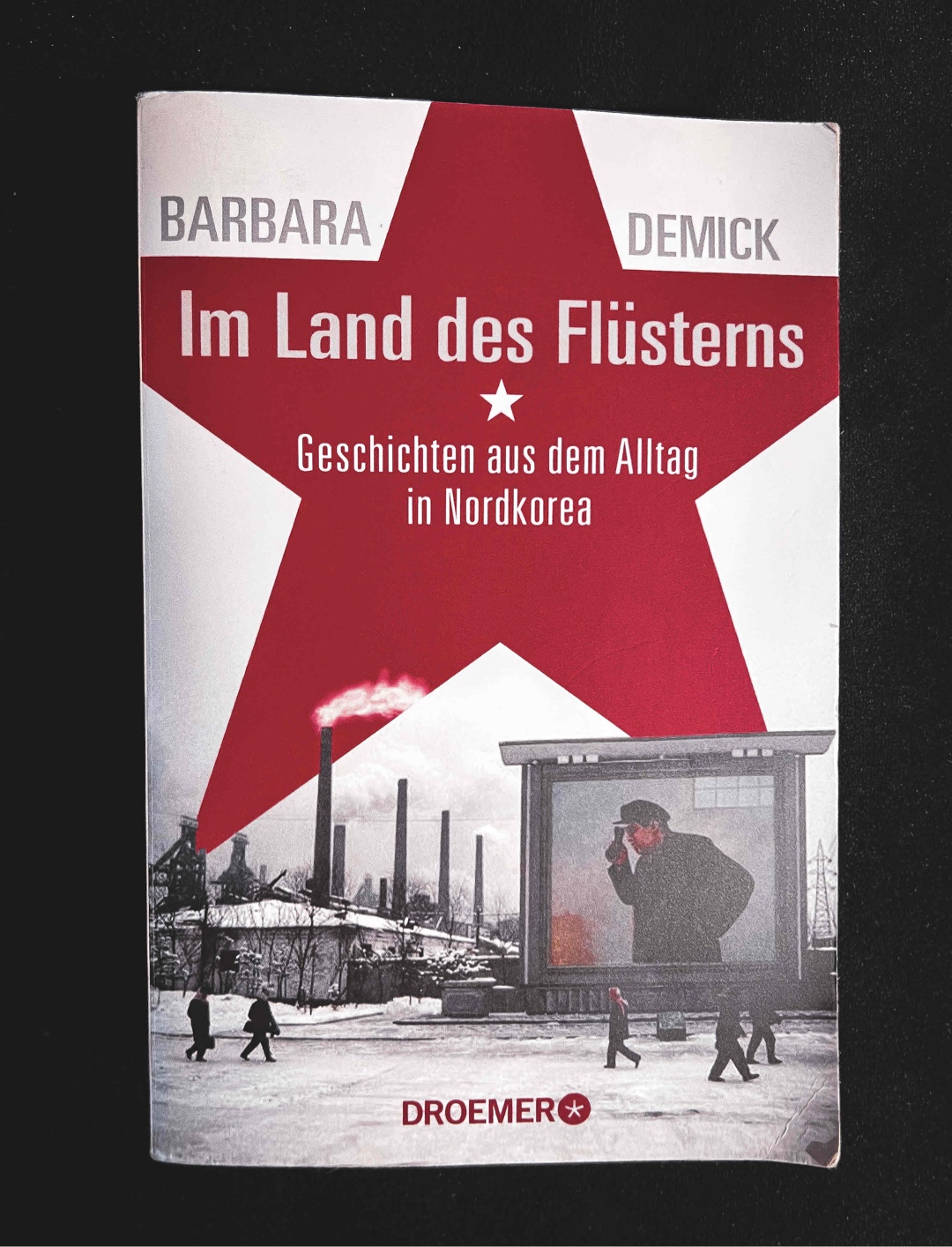
Wenn ich an Nordkorea gedacht habe, dann zwangsläufig an den Diktator, Atomwaffen und die Isolation des Landes. Aber nie hatte ich eine Vorstellung, wie der Alltag der Menschen dort aussieht. Dieses Buch hat es mir gezeigt. Die Geschichten sind tragisch, schockierend, aber auch ein bisschen hoffnungsvoll. Ein sehr bewegendes Buch, dass interessante Einblicke gibt.
Barbara Demick hat für dieses Buch über längere Zeit Flüchtlinge aus Chongjin, Nordkorea, interviewt. Abwechselnd schildert sie in chronologischer Reihenfolge deren Lebensgeschichten und die allgemeinen Entwicklungen im Land. Dadurch entsteht ein eindrücklicher und sehr naher Einblick in den Alltag der Menschen, in die Gesellschaft und in die Politik Nordkoreas. Für mich wirkte alles stimmig und authentisch – beim Lesen konnte ich völlig eintauchen, mir die Umgebung und die Menschen lebhaft vorstellen und ihre Freude wie auch ihr Leid miterleben. Das Buch erschien 2010 und 2016 ergänzt die Journalistin am Ende ein letztes Kapitel mit dem Titel „März 2015 Die dritte Generation“, in dem sie Kim Jong Uns Aufstieg an die Macht und den Beginn seiner politischen Laufbahn beschreibt. Alles ist feinfühlig, respektvoll und zugleich packend erzählt. Ich bin tief beeindruckt und würde mir sehr wünschen, dass Barbara Demick ein weiteres Buch schreibt. :->
Description
NATIONAL BOOK AWARD FINALIST • NATIONAL BOOK CRITICS CIRCLE AWARD FINALIST
In this landmark addition to the literature of totalitarianism, award-winning journalist Barbara Demick follows the lives of six North Korean citizens over fifteen years—a chaotic period that saw the death of Kim Il-sung, the rise to power of his son Kim Jong-il (the father of Kim Jong-un), and a devastating famine that killed one-fifth of the population.
Demick brings to life what it means to be living under the most repressive regime today—an Orwellian world that is by choice not connected to the Internet, where displays of affection are punished, informants are rewarded, and an offhand remark can send a person to the gulag for life. She takes us deep inside the country, beyond the reach of government censors, and through meticulous and sensitive reporting we see her subjects fall in love, raise families, nurture ambitions, and struggle for survival. One by one, we witness their profound, life-altering disillusionment with the government and their realization that, rather than providing them with lives of abundance, their country has betrayed them.
Praise for Nothing to Envy
“Provocative . . . offers extensive evidence of the author’s deep knowledge of this country while keeping its sights firmly on individual stories and human details.”—The New York Times
“Deeply moving . . . The personal stories are related with novelistic detail.”—The Wall Street Journal
“A tour de force of meticulous reporting.”—The New York Review of Books
“Excellent . . . humanizes a downtrodden, long-suffering people whose individual lives, hopes and dreams are so little known abroad.”—San Francisco Chronicle
“The narrow boundaries of our knowledge have expanded radically with the publication of Nothing to Envy. . . . Elegantly structured and written, [it] is a groundbreaking work of literary nonfiction.”—John Delury, Slate
“At times a page-turner, at others an intimate study in totalitarian psychology.”—The Philadelphia Inquirer
Book Information
Posts
Wenn ich an Nordkorea gedacht habe, dann zwangsläufig an den Diktator, Atomwaffen und die Isolation des Landes. Aber nie hatte ich eine Vorstellung, wie der Alltag der Menschen dort aussieht. Dieses Buch hat es mir gezeigt. Die Geschichten sind tragisch, schockierend, aber auch ein bisschen hoffnungsvoll. Ein sehr bewegendes Buch, dass interessante Einblicke gibt.
Barbara Demick hat für dieses Buch über längere Zeit Flüchtlinge aus Chongjin, Nordkorea, interviewt. Abwechselnd schildert sie in chronologischer Reihenfolge deren Lebensgeschichten und die allgemeinen Entwicklungen im Land. Dadurch entsteht ein eindrücklicher und sehr naher Einblick in den Alltag der Menschen, in die Gesellschaft und in die Politik Nordkoreas. Für mich wirkte alles stimmig und authentisch – beim Lesen konnte ich völlig eintauchen, mir die Umgebung und die Menschen lebhaft vorstellen und ihre Freude wie auch ihr Leid miterleben. Das Buch erschien 2010 und 2016 ergänzt die Journalistin am Ende ein letztes Kapitel mit dem Titel „März 2015 Die dritte Generation“, in dem sie Kim Jong Uns Aufstieg an die Macht und den Beginn seiner politischen Laufbahn beschreibt. Alles ist feinfühlig, respektvoll und zugleich packend erzählt. Ich bin tief beeindruckt und würde mir sehr wünschen, dass Barbara Demick ein weiteres Buch schreibt. :->