30 Followers
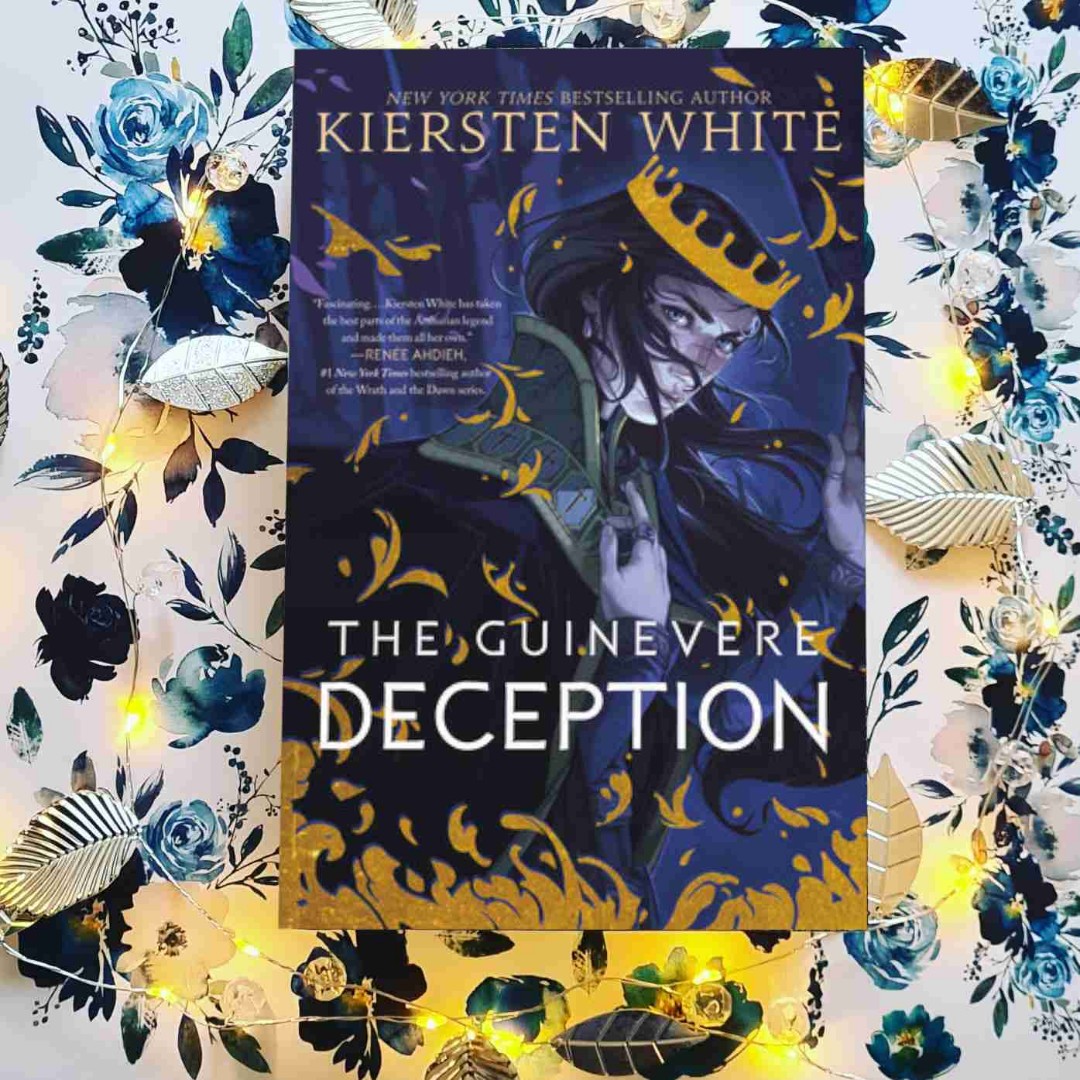
Having interacted with quite a few stories based on Arthuriana, but not actually knowing much about Arthuriana itself, always means an interesting experience of wondering if a plot or character beat was an invention by an author of a previous story, or if it is part of Arthurian canon that will come as a plot twist later on in this current story. (Also makes me wonder if I should know characters or if they are new additions, every time I meet a character whose name I don't instantly recognise). In this book inspired by Arthurian legend, Guinevere is Merlin's daughter, sent as queen to Arthur's side to protect him as Merlin no longer can as he has been banished from Camelot for his use of magic which has now been forbidden. For that, Guinevere has taken the actual dead Guinevere's place, a princess from a country far enough away, so no one will bat an eye at her not knowing Christian customs and her unfamiliar face. In secret (except in front of Arthur, who knows and has come to this agreement with Merlin), Guinevere works with the forbidden magic to thwart magical threats, trying to figure out what the magical threat is that Merlin sent her there to fight, all the while trying to figure out what is expected of her as queen, both from Arthur himself as well as from the people of Camelot. Having lived alone with Merlin in the forest so far, she also strives to strike up friendships and connections with the people around her and find a place among the people. The longer she is there in Camelot, the more she realises that she doesn't actually remember much about who she was before she was Guinevere. I am a big fan of stories inspired by Arthurian legend, as well as fake-marriage arrangements, whatever their purpose (plot device to further a romance along or political ploy? Doesn't matter, sign me up), and this book lives up to these expectations. You recognise all of the Arthurian cast, while still being innovative, with a story that at least I haven't seen before. There's magic worldbuilding (chaos magic vs human order, knot magic, touch magic, fire magic, water magic, and what it means to use each of them), knighthood as a central theme, Guinevere and Arthur trying to find out what they want their marriage to be (a magic partnership? a friendship? something more traditional?), Guinevere figuring out what it means to be queen, both as wife to a king, as well as what it means for her identity, themes of friendship and identity. I can thoroughly recommend this book, but for those who prefer more adult fantasy, be aware that this book more obviously falls into the Young Adult category than some other books also of the same category.
Jan 13, 2026
Having interacted with quite a few stories based on Arthuriana, but not actually knowing much about Arthuriana itself, always means an interesting experience of wondering if a plot or character beat was an invention by an author of a previous story, or if it is part of Arthurian canon that will come as a plot twist later on in this current story. (Also makes me wonder if I should know characters or if they are new additions, every time I meet a character whose name I don't instantly recognise). In this book inspired by Arthurian legend, Guinevere is Merlin's daughter, sent as queen to Arthur's side to protect him as Merlin no longer can as he has been banished from Camelot for his use of magic which has now been forbidden. For that, Guinevere has taken the actual dead Guinevere's place, a princess from a country far enough away, so no one will bat an eye at her not knowing Christian customs and her unfamiliar face. In secret (except in front of Arthur, who knows and has come to this agreement with Merlin), Guinevere works with the forbidden magic to thwart magical threats, trying to figure out what the magical threat is that Merlin sent her there to fight, all the while trying to figure out what is expected of her as queen, both from Arthur himself as well as from the people of Camelot. Having lived alone with Merlin in the forest so far, she also strives to strike up friendships and connections with the people around her and find a place among the people. The longer she is there in Camelot, the more she realises that she doesn't actually remember much about who she was before she was Guinevere. I am a big fan of stories inspired by Arthurian legend, as well as fake-marriage arrangements, whatever their purpose (plot device to further a romance along or political ploy? Doesn't matter, sign me up), and this book lives up to these expectations. You recognise all of the Arthurian cast, while still being innovative, with a story that at least I haven't seen before. There's magic worldbuilding (chaos magic vs human order, knot magic, touch magic, fire magic, water magic, and what it means to use each of them), knighthood as a central theme, Guinevere and Arthur trying to find out what they want their marriage to be (a magic partnership? a friendship? something more traditional?), Guinevere figuring out what it means to be queen, both as wife to a king, as well as what it means for her identity, themes of friendship and identity. I can thoroughly recommend this book, but for those who prefer more adult fantasy, be aware that this book more obviously falls into the Young Adult category than some other books also of the same category.
Jan 13, 2026