8. März
Ein atmosphärisch starker, spannender dystopischer Horror-Fantasy-Roman mit intensiven Survival-Elementen und einer eindrucksvollen Welt.
Bewertung:4.5

Ein atmosphärisch starker, spannender dystopischer Horror-Fantasy-Roman mit intensiven Survival-Elementen und einer eindrucksvollen Welt.

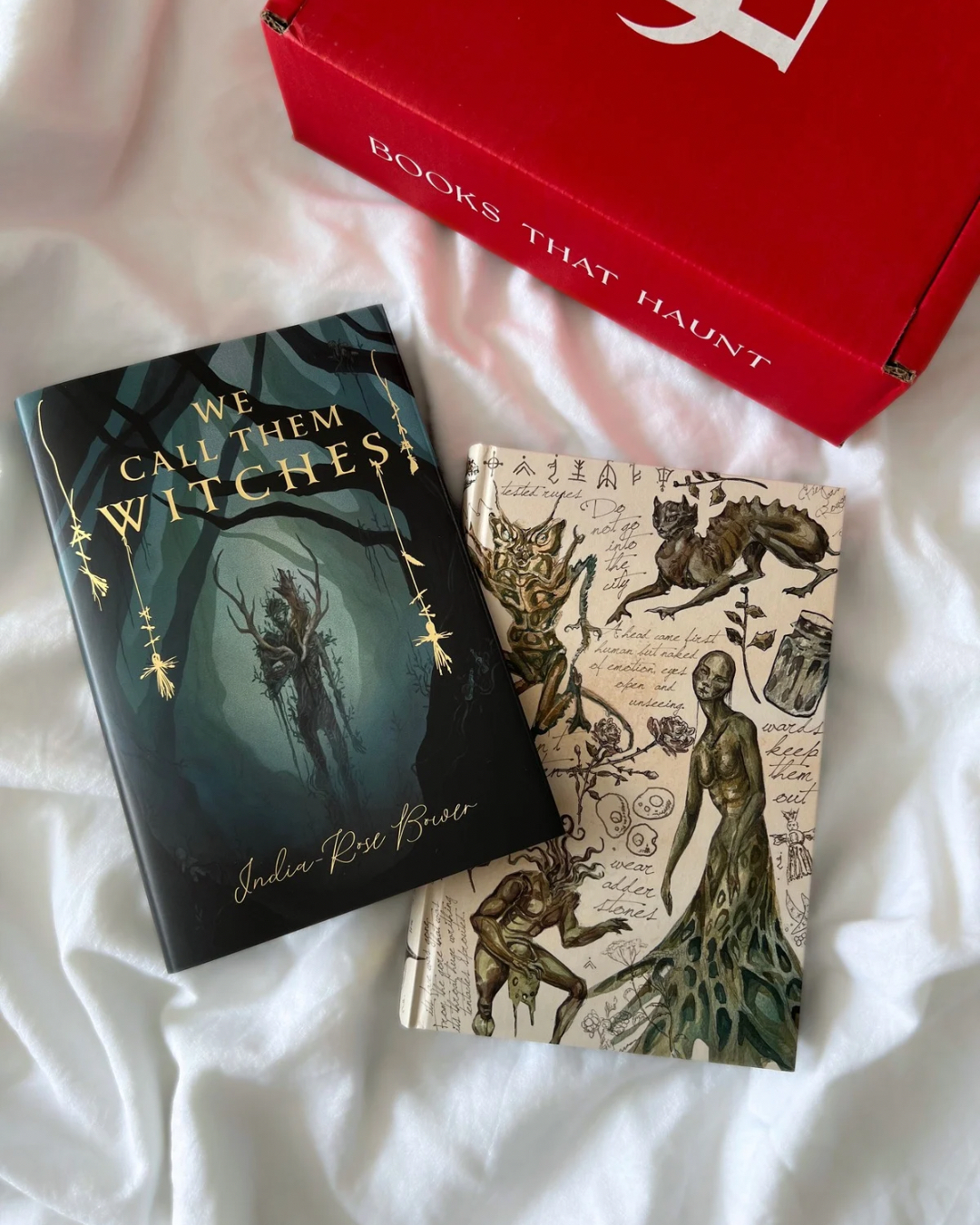
🪾 𝘕𝘰𝘯𝘦 𝘰𝘧 𝘶𝘴 𝘢𝘳𝘦 𝘴𝘶𝘳𝘦 𝘸𝘩𝘦𝘯 𝘸𝘦 𝘴𝘵𝘢𝘳𝘵𝘦𝘥 𝘤𝘢𝘭𝘭𝘪𝘯𝘨 𝘵𝘩𝘦𝘮 𝘸𝘪𝘵𝘤𝘩𝘦𝘴. 𝘐 𝘵𝘩𝘪𝘯𝘬 𝘱𝘦𝘰𝘱𝘭𝘦 𝘯𝘦𝘦𝘥 𝘯𝘢𝘮𝘦𝘴 𝘧𝘰𝘳 𝘵𝘩𝘪𝘯𝘨𝘴 𝘵𝘩𝘦𝘺 𝘥𝘰𝘯‘𝘵 𝘶𝘯𝘵𝘦𝘳𝘴𝘵𝘢𝘯𝘥. 💭 Auf dieses Buch war ich sehr gespannt und fast, wirklich fast, wäre es ein Highlight geworden. Die Geschichte hat mich besonders in der zweiten Hälfte richtig gepackt und eine intensive, gruselige Atmosphäre aufgebaut. Ein paar Entscheidungen am Ende haben meinen Gesamteindruck jedoch etwas geschmälert. Im Mittelpunkt steht Sara, die mit ihrer Familie in einer dystopischen Welt lebt, nachdem Monster den Großteil der Menschheit ausgelöscht haben. Die Familie hat sich ein relativ geschütztes Leben aufgebaut: ein Haus mit Grundstück, Gemüseanbau und sogar Hühnern. Saras Mutter kennt alte Bräuche und Rituale, die bisher geholfen haben, die Monster fernzuhalten. Zur Familie gehören außerdem Saras Schwester Danny, deren Freundin Lilian, die Zwillinge Ava und Isla sowie ihr Bruder Noah.
Später stößt Parsley dazu, ein Mädchen, das scheinbar den Monstern entkommen ist. Ihre Ankunft verändert vieles und bringt neue Dynamiken in die Gruppe. Besonders spannend wird es, als Noah von den Monstern verschleppt wird und sich einige der Charaktere auf die gefährliche Suche nach ihm machen. Das Setting hat mir besonders gut gefallen. Die Mischung aus ländlichem Rückzugsort und einer Welt voller Monster funktioniert sehr gut. Die erste Hälfte ist noch relativ ruhig und baut vor allem das Setting sowie die Figuren auf. Doch ab der Mitte, als die Suche nach Noah beginnt, wird die Geschichte deutlich intensiver. Die Begegnungen mit den Kreaturen sind spannend, düster und teilweise richtig unheimlich. Genau das hat mir unglaublich gut gefallen. Leider hat das letzte Kapitel für mich etwas den Eindruck geschmälert, da Saras Entscheidung für mich nicht ganz nachvollziehbar war. Ein atmosphärisch starker, spannender dystopischer Horror-Fantasy-Roman mit intensiven Survival-Elementen und einer eindrucksvollen Welt. Somit ein richtig gutes Buch, das nur knapp an einem Highlight vorbeigeschrammt ist. ⭐️⭐️⭐️⭐️☆,₅ (9/10)

We Call Them Witches
We Call Them Witchesvon India-Rose BowerPenguin Books Ltd
23. Feb.
Bewertung:2

2 ⭐️ | We Call Them Witches I wanted to love this Post-apocalyptic Britain, Eldritch, nature-built monsters, Folklore wards, Sapphic tension in the middle of the end of the world On paper (or screen) it sounds perfect We Call Them Witches by India-Rose Bower follows Sara and her family two years after creatures tore through Britain and wiped out most of humanity. The survivors call them “witches”, not because they ride broomsticks or cast spells, but because no one has a better word. They are things of antlers and bone, bark and rot, stitched together from whatever the land offers And honestly, The witches are the best part of this book if you ask me They are grotesque in a quiet, creeping way. More wrong than loud. The body horror and nature horror elements are vivid, fur matted with mud, branches splitting through flesh, things moving in the mist that should not move at all. The atmosphere on the moors feels damp and cold and heavy. There were moments where I genuinely felt the isolation But atmosphere alone can’t carry a story. The first half moves slowly … very slowly. We spend a lot of time watching the family survive: checking wards, gathering supplies, reinforcing rituals. There’s mention of hedge magic, poppets, pagan traditions passed down through generations … but it’s all surface-level. We’re told these things work, but rarely shown how or why And that became my biggest frustration This world is built on folklore, yet the folklore never feels fully formed. The apocalypse happened almost overnight “Nearly everyone died the first night they came” which is such a strong opening line. But the book never really follows through on that scale Where did they come from? Why Britain? Why now? Why can’t they cross certain boundaries? Why does any of this function the way it does? Vagueness can be powerful in horror. Here, it felt more like missing pieces When Parsley appears? mysterious, memoryless, conveniently placed outside the wards, the dynamic shifts. Sara is immediately drawn to her. Her family is not. The tension is there, but the romance that develops feels rushed and strangely hollow. I never fully believed in their connection, It reads more like first infatuation than something forged under apocalyptic pressure What did feel real was the family dynamic. The exhaustion in Sara’s mother. The sibling bickering that somehow survives the end of the world. The quiet resentment and protectiveness layered together. Those moments grounded the story far more than the romance did Around the halfway mark, the plot finally sharpens. A true objective forms. The stakes feel more immediate. The journey across desolate towns and abandoned pubs is actually compelling: bleak, tense and dangerous in a way the first half only hinted at. For a while, I was fully in it But the ending didn’t hit the way it wanted to The twist is predictable if you’re used to dystopian or horror tropes and while the final chapters move quickly and try to deliver emotional weight, I found myself more detached than devastated. It wasn’t bad, it just wasn’t impactful Overall, this reads much more like YA horror than adult horror. Which isn’t a flaw in itself, but it does mean the intensity, emotional depthand complexity I was hoping for never quite materialized There are strong ideas here, Genuinely creepy imagery, A solid emotional core within the family But the world needed more structure, The romance needed more development, The horror needed more bite Bleak, queer, witchy and unfortunately a little too mild for what it promised

We Call Them Witches
We Call Them Witchesvon India-Rose BowerPenguin Books Ltd
20. Nov.
Bewertung:3

Apocalyptic setting with creepy monsters

I was really looking forward to this book. The cover and blurb seemed so interesting. Unfortunately it didn't really deliver for me. [Rezensionsexemplar] I went back and forth on whether to DNF this book or not. In the end, the pace picked up enough to convince me to continue. But all in all, I didn't enjoy the book as much as I'd hoped. My biggest issue is probably that it never really felt like there were any real stakes and dangers. Things just happened and it was obvious that the characters would always make it through unscathed. There were a few eerie moments that were written really well. It made me think of the botanical alien horrors of Annihilation. But just when I thought we would finally get to some gritty stuff, the narrative just picked up where it left off. I couldn't help but feel very suspicious of the author's choice to make the only NB character of the story behave like an aggressive man. Their aggression, distrust, and in parts violence towards the FMC made them incredibly dislikeable, and diminished my enjoyment of the story. I noticed a subtle theme of 'non-female' on female aggression in this story. The FMC would face physical attacks from two masculine characters, and I didn't really see the narrative point in any of it. I was hoping for some more understanding in regards to the NB character's aggressive behaviour, but unfortunately there was none. I think this book is a great read for YA readers and readers who're not too keen on horror, but prefer a slightly spooky atmosphere. But fans of horror are found wanting. In the end, this story didn't really work for me. And I'm open for the possibility that I simply didn't understand the deeper message of the narrative. I'm certain other readers will enjoy this story. Thank you to Netgalley and Poisoned Pen Press for providing this eARC in return for my honest review.

We Call Them Witches
We Call Them Witchesvon India-Rose BowerPenguin Books Ltd